
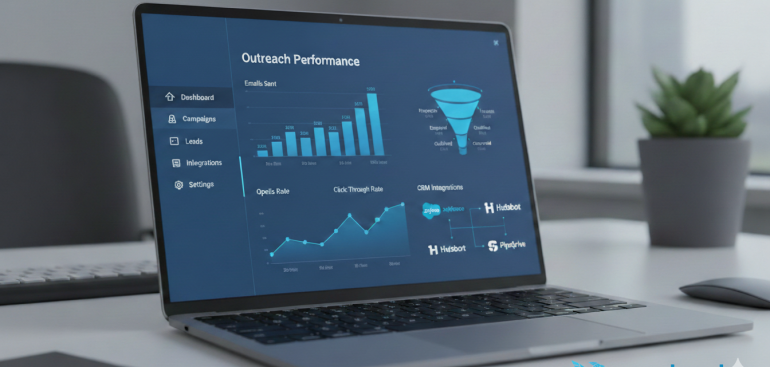
Out there among endless online noise, spotting likely buyers then turning interest into sales feels tougher now. That moment when Woodpecker steps in – built as a straightforward system for sending initial messages automatically, aiming straight at growing customer pipelines without extra hassle.

What is Woodpecker?
One thing stands out about Woodpecker – it handles cold email campaigns without losing the personal feel. Sales teams, marketers, or even agencies find it useful because each message can adapt like a real conversation. Instead of blasting thousands at once, this tool paces outreach carefully. What happens next? Follow-ups roll in naturally, timed just right. Deliverability gets attention here, not ignored. Inboxes accept these emails more often than typical mass mailers. Personal touches stay intact, even when scaling up. The result? Replies come more frequently. Cold doesn’t mean robotic anymore. Messages arrive looking thoughtful, never generic. Behind every click, there’s strategy – not luck.
A single webpage built just for your campaign might be what turns curious clicks into real interest. When people arrive, they see only what matters – no distractions pulling them away. This kind of clarity often leads straight to action, without detours. Instead of spreading attention thin, everything points one way. A quiet design with clear purpose tends to work harder than busy alternatives.
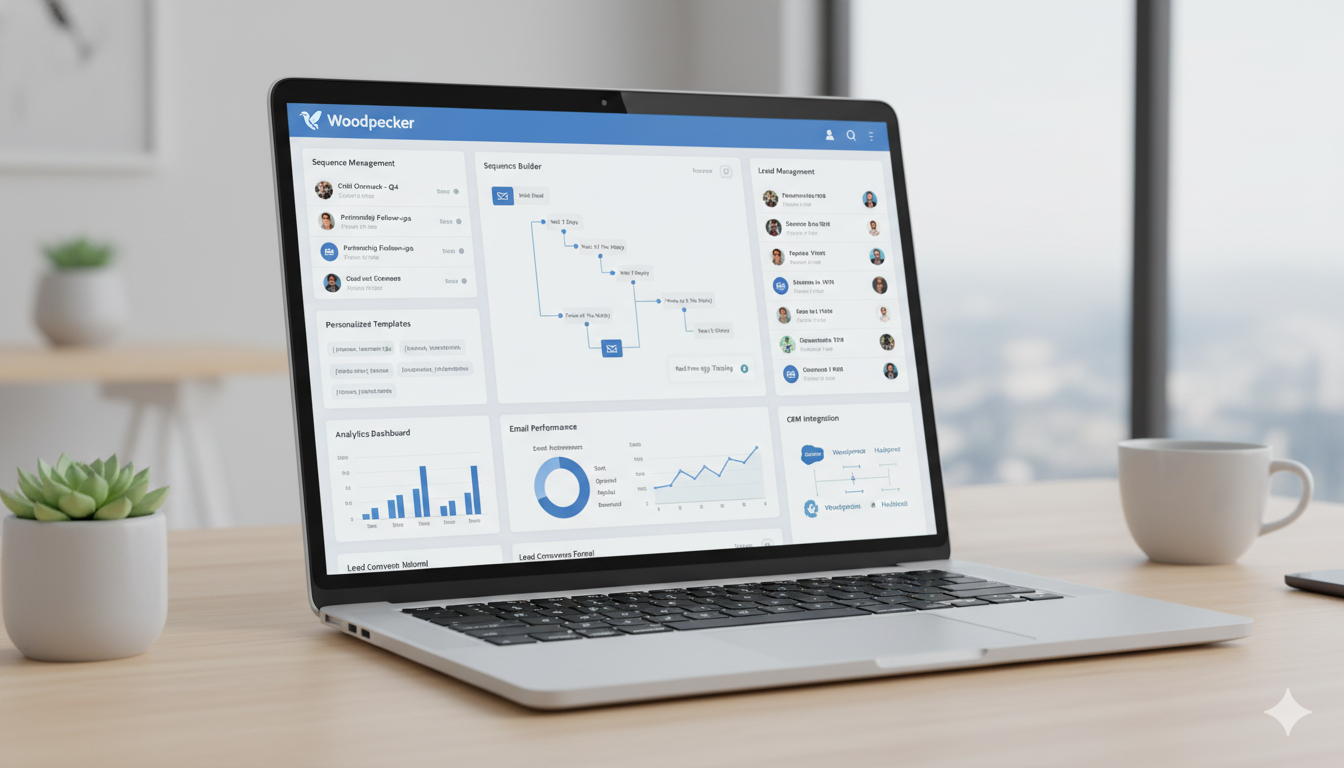
Woodpecker features:
What makes Woodpecker different isn’t flashiness – it’s how straightforward it feels, even when doing complex tasks. Because it gives people a way to work without wrestling confusing features
- Send personalized cold emails at scale
- Automate follow-ups based on recipient behavior
- Start by watching how many people open your messages. Then notice who sends a reply back. Engagement shows up in those little interactions along the way
- Integrate with CRMs and other sales tools
- Maintain high email deliverability standards
Startups, agencies, and B2B firms often lean on outbound sales – this fits them well because of how it works. Not every tool lines up so neatly when reaching out is key.
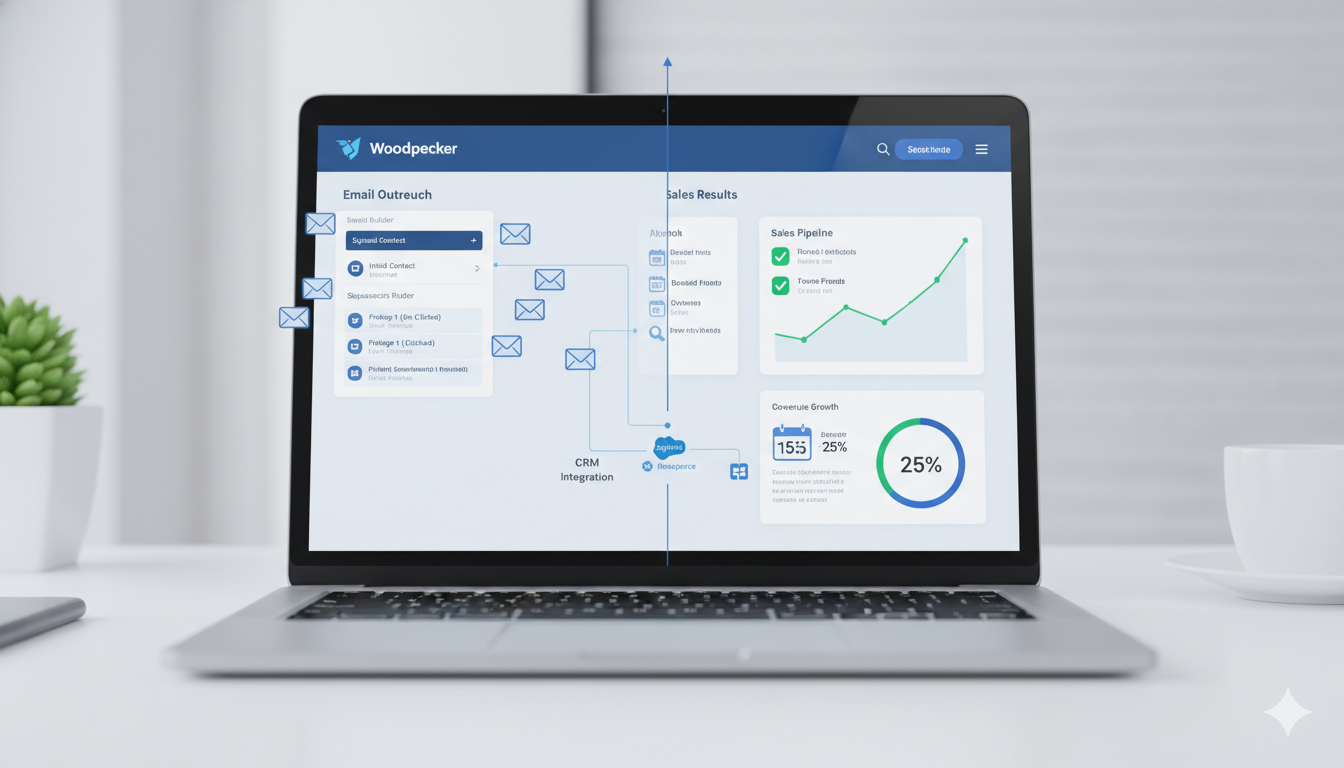
Woodpecker for outreach because it works?
Even now, sending cold emails is a cheap way to find new customers. Yet when done poorly, it feels like shouting into noise. Instead of flooding inboxes, Woodpecker builds better results by caring more about relevance than volume.
When someone responds, the system knows to quit sending messages. It waits until it’s necessary before continuing, so things don’t seem stiff or automatic.
Out there, how well emails reach people shapes whether messages get seen at all. Think about it – great words mean nothing when hidden away among junk filters.
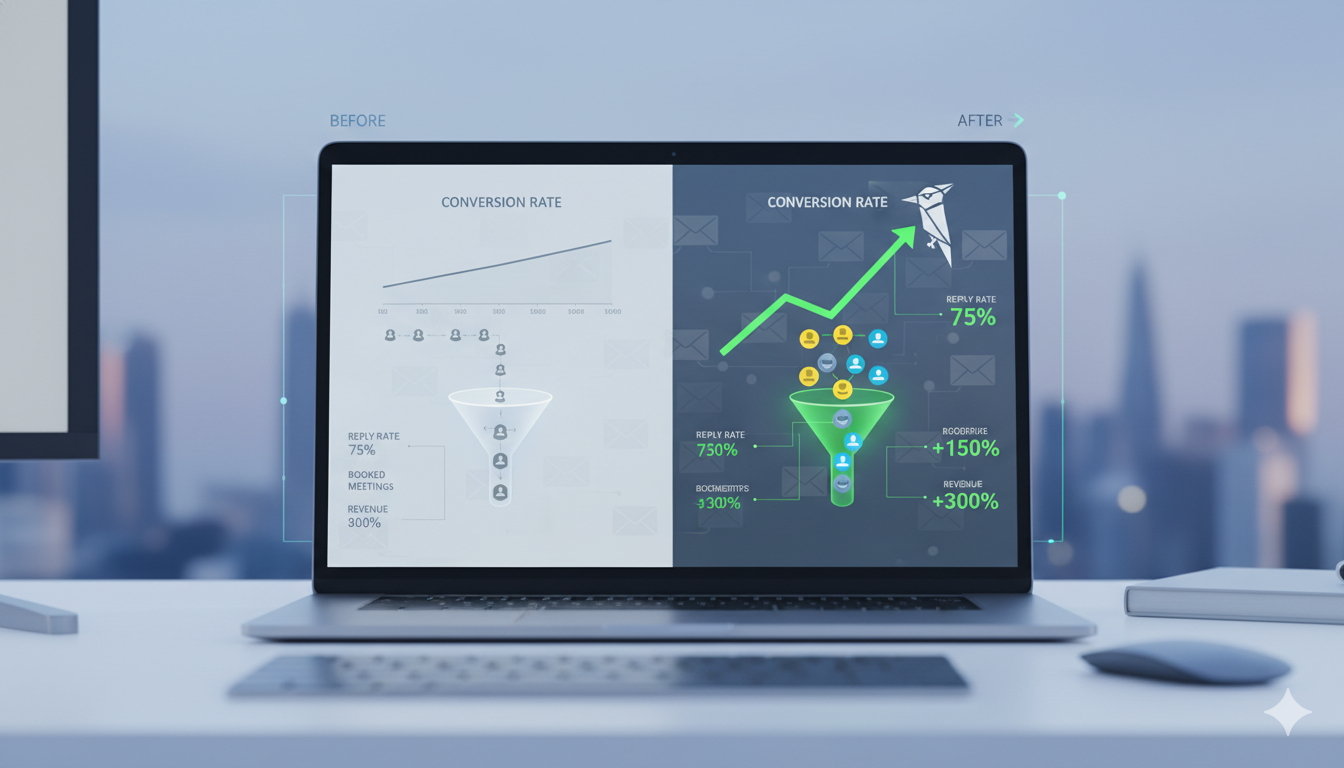
Woodpecker boosts conversion rates:
What makes Woodpecker stand out? It helps more people reply. Messages seem hand-written, though they go out to many at once. Personal touches meet automated speed behind each note. That connection – feeling real despite scale – is where results grow.
Your landing page should highlight:
- Clear value proposition
- Strong call-to-action
- Social proof or testimonials
- Benefits over competitors
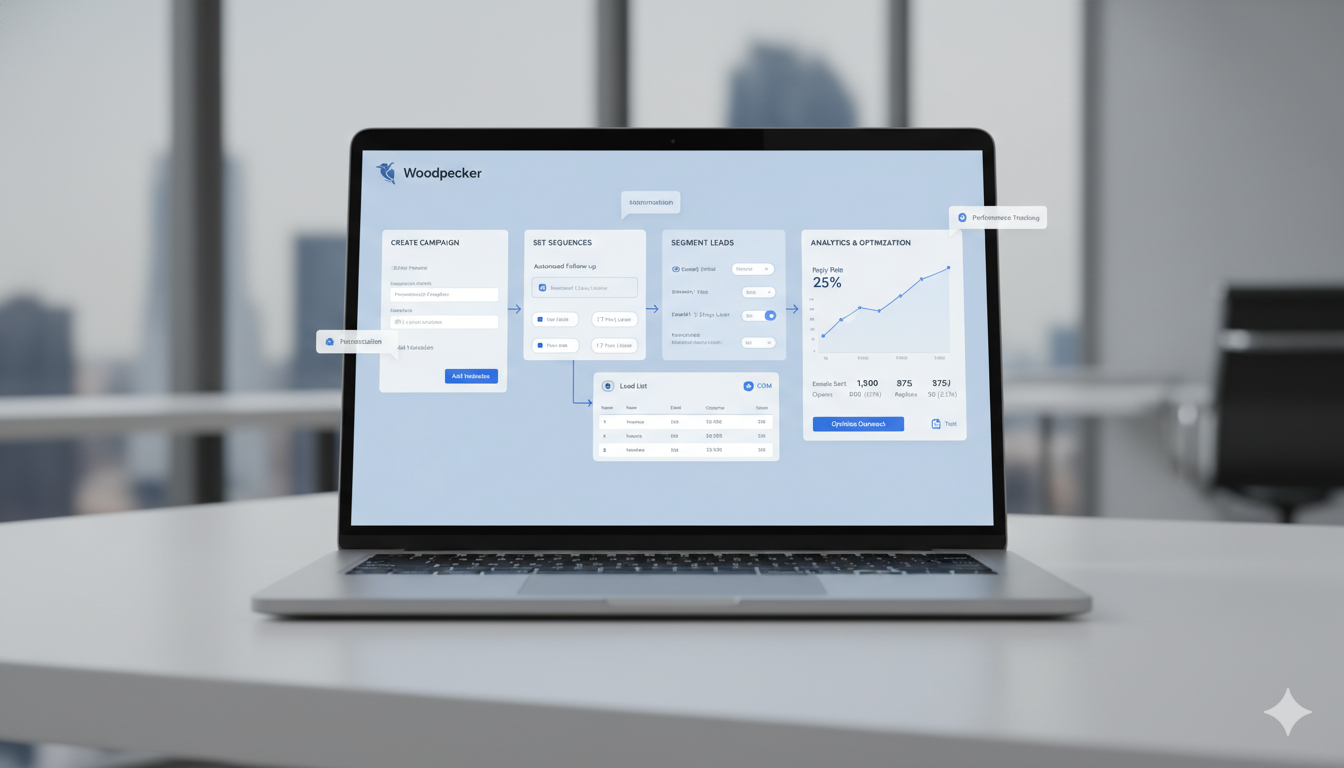
Built into Woodpecker campaigns, this flow moves smoothly from first message to final result. Each step connects without gaps, turning contact attempts into completed actions.
Using Woodpecker Effectively:
To get the most out of Woodpecker, follow these proven strategies:
1. Personalize Every Email:
Start with something real – like their actual job or where they work. Start by tucking the specifics into your words – makes it feel less like a script. Something real comes through when effort lives in the lines, instead of repetition. The way small things land can hint at care, rather than a pattern sent wide.
2. Keep It Short And Clear:
Busy leaders skip lengthy messages. Get to the point fast – what matters most is clear benefit. A sharp message stands out by saying only what counts.
3. Use Smart Follow-Ups:
Later messages often arrive once someone responds a second or third time. Automation handles these repeats well when using Woodpecker.
4. Test and Optimize:
Start by watching how many people open your messages. When responses shift, tweak what you write. A different headline might help. See what clicks through trial. Change follows feedback naturally.
Is Woodpecker Worth It?
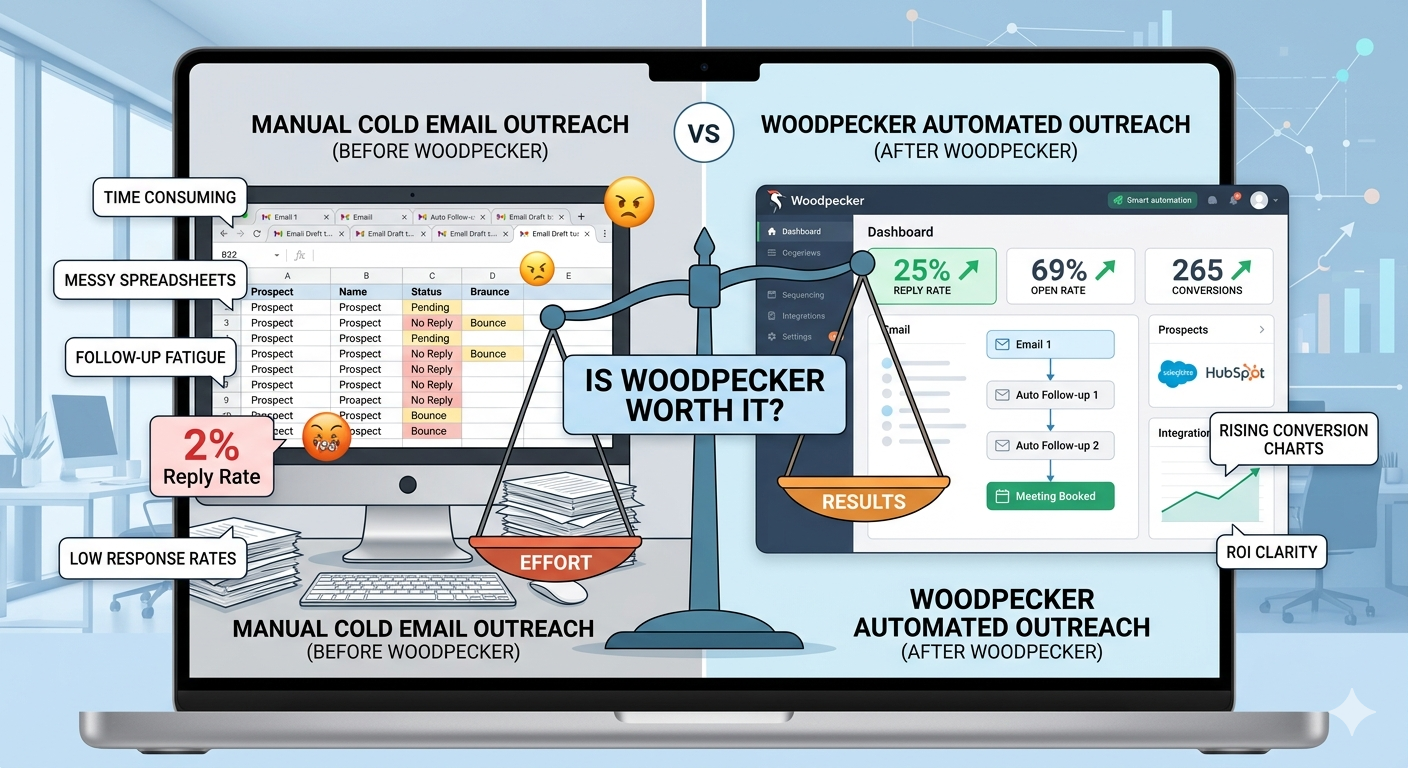
One thing stands out for teams focused on reaching new clients: Woodpecker pays off. Not only does it cut down busywork, but it also sharpens outreach timing while boosting response rates. What happens next? Conversations start more often than before.
Out there doing freelance work, running a young company, or hitting targets on a sales crew? Tools such as Woodpecker tend to lift how well messages land. A small shift, sure – yet replies often start coming more steadily.
Final Thoughts:
What makes Woodpecker different? It keeps personal touches alive even when sending lots of emails. Instead of losing quality at scale, it uses clever automation that adapts to each recipient. Targeting works quietly behind the scenes, matching messages to people who actually care. Conversations start naturally because timing and relevance are built in. Not every tool manages both reach and authenticity – this one does.