
Best Sales Engagement Software to Supercharge Your Sales Team in 2025

Best Sales Engagement Software to Supercharge Your Sales Team in 2025


Sales today aren’t just about making calls or sending emails. It’s about building meaningful relationships, understanding customer needs, and engaging at the right time with the right message. That’s where sales engagement software steps in — helping teams manage interactions across channels, automate workflows, and close deals faster.

If you’re looking to upgrade your sales tech stack, here are five top-tier sales engagement platforms to consider:Best Sales Engagement Software
1. Salesloft – All-in-One Sales Engagement for Modern Teams

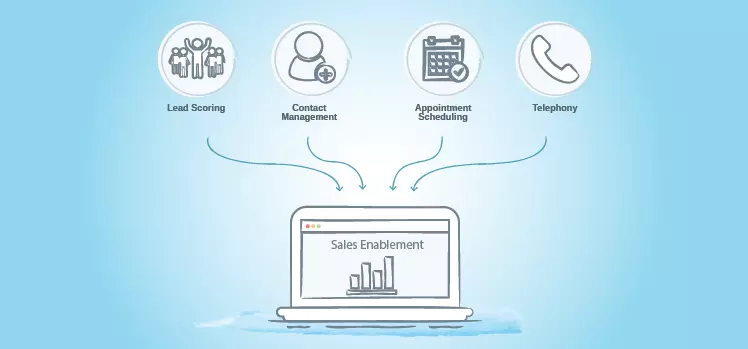
Salesloft is a favorite among revenue teams for a good reason. It brings together email, phone, LinkedIn, and text messaging into a single platform, helping reps stay organized and on task. With features like cadence automation, real-time analytics, and AI-powered coaching, Salesloft empowers reps to hit their numbers while providing managers the visibility to guide performance.

Key Features:

  • Multichannel cadences
  • Real-time activity tracking
  • Conversation intelligence
  • CRM integration with Salesforce and more

Best For: Mid to large B2B sales teams looking for a structured, scalable solution.
Salesloft – All-in-One Sales Engagement for Modern Teams

2. Salesforce Sales Engagement – Native Power Inside Your CRM

If your team already lives inside Salesforce, Salesforce Sales Engagement (formerly High Velocity Sales) is a no-brainer. It’s built right into the Salesforce ecosystem, which means zero data syncing headaches. Reps can use automated cadences, AI-driven insights, and productivity tools like Work Queues to connect with the right leads at the right time.

Key Features:

  • Seamless CRM integration
  • Einstein AI insights
  • Email and call automation
  • Work Queues and Cadence Builder

Best For: Salesforce users who want engagement tools without leaving the CRM.
Salesforce Sales Engagement – Native Power Inside Your CRM

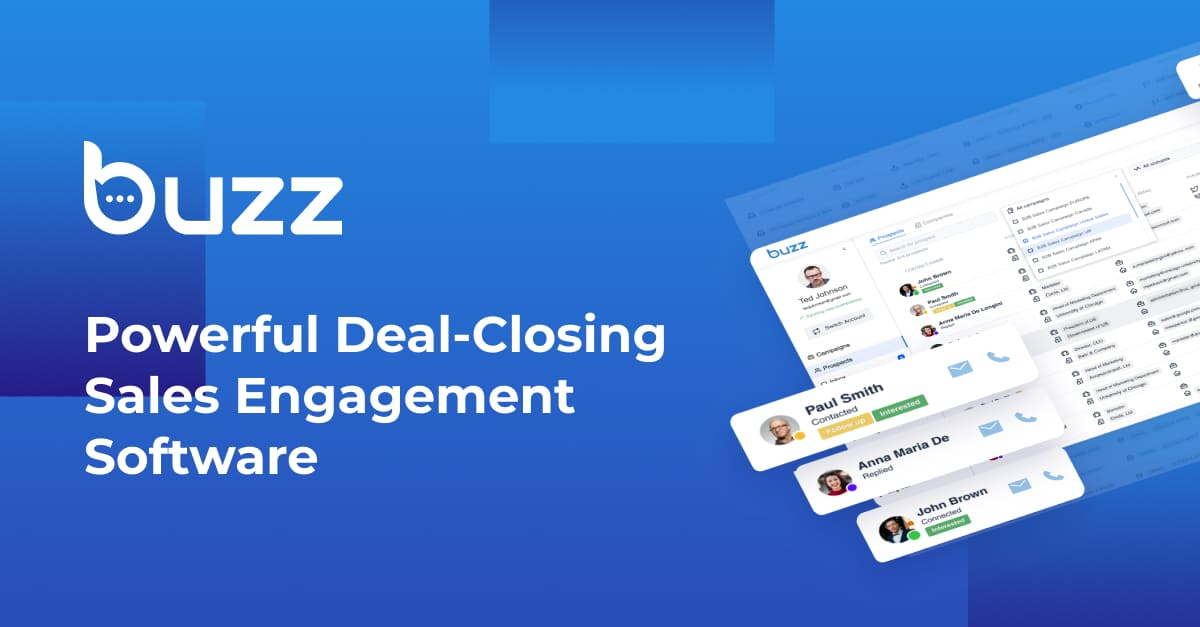
3. Buzz – Lightweight and Effective for Small Teams

Buzz might not be as widely known as others on this list, but it’s gaining popularity for its simplicity and speed. Designed with small to midsize teams in mind, Buzz offers a no-frills platform to manage outreach across email and phone. It doesn’t overcomplicate things — just gives you the tools to follow up, stay consistent, and convert leads.

Key Features:

  • Simple workflow automation
  • Dialer and email integration
  • Lead tracking and follow-ups
  • Cost-effective pricing

Best For: SMBs or startups looking for an easy-to-use sales engagement tool.
buzz ai

4. Outreach – Enterprise-Grade Engagement with Smart Automation

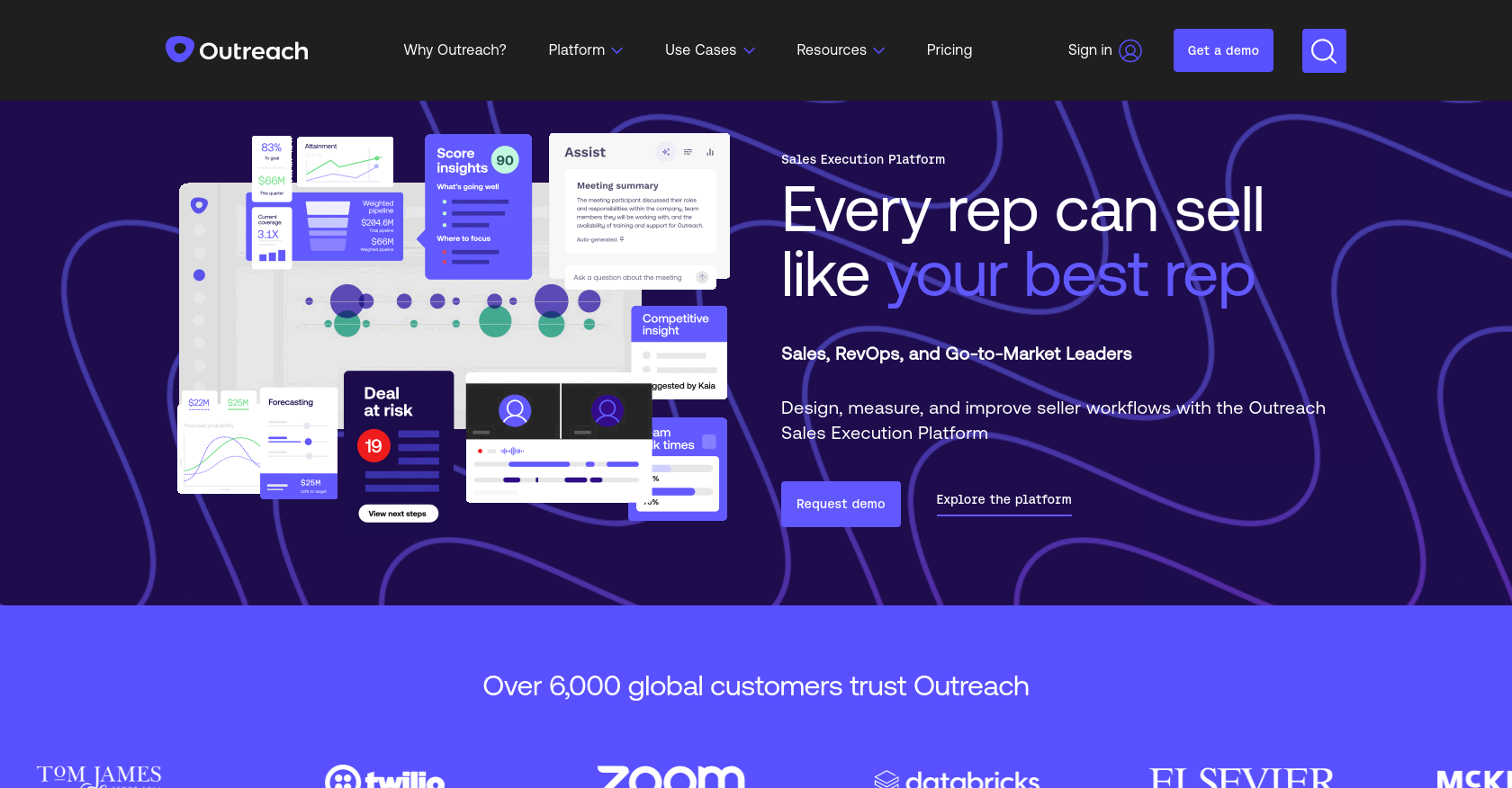
Outreach is one of the biggest names in the space, trusted by enterprise sales teams around the world. Its robust platform helps reps automate their outreach, personalize at scale, and track engagement across multiple channels. It also offers advanced analytics and AI capabilities to guide sellers to success.

Key Features:

  • Multi-touch sequencing
  • Sales analytics and forecasting
  • Rep coaching with conversation intelligence
  • Integration with top CRMs and tools

Best For: Enterprise sales teams looking for advanced features and deep insights.
Outreach.io

5. Revenue.io – Conversation Intelligence Meets Engagement

Formerly known as RingDNA, Revenue.io brings together sales engagement and conversation intelligence in one platform. It’s particularly powerful for teams that rely heavily on phone calls and want deep insights into conversations. With AI-driven coaching, call recording, and real-time transcription, Revenue.io helps reps continuously improve while staying productive.

Key Features:

  • AI-powered call coaching
  • Real-time conversation guidance
  • Integration with Salesforce
  • Automated workflows and task management

Best For: Sales teams focused on call performance and rep enablement.
5. Revenue.io – Conversation Intelligence Meets Engagement

Final Thoughts

Choosing the best sales engagement software depends on your team’s size, workflow preferences, and tech stack. Whether you want deep integration with Salesforce, advanced analytics, or a simple and effective tool for outreach, there’s a solution here for you.

Each platform above offers something unique — from Outreach’s enterprise power to Buzz’s simplicity. The best move? Try demos, get feedback from your reps, and pick the one that fits your sales motion best.

Constant Contact vs. Mailchimp: A Side-by-Side Comparison for 2025

Since selecting the appropriate email marketing platform may make or break your marketing plan, email marketing continues to be one of the most efficient ways to interact with clients and expand your brand. Constant Contact and MailChimp are two of the best products on the market right now, but which is better for your needs? This comparison will assist you in selecting the platform that best meets your demands, regardless of whether you are a digital marketer or a small business owner.

  1. Ease of Use

The user-friendly interface of Constant Contact is highly commended, particularly for newbies. Without requiring any design knowledge, users may create professional emails using its user-friendly drag-and-drop editor. For novices or small business owners who wish to create polished emails without a lot of technological expertise, it’s ideal.

However, MailChimp provides a more up-to-date, adaptable interface with a wide range of customization possibilities. For new users, the learning curve may be a little longer even if it offers more sophisticated functions. But if you know how to use the tools, navigating its well-designed and structured interface is a breeze.

Winner: Constant Contact is ideal for beginners, while Mailchimp is ideal for users looking for more flexibility and depth.

2. Features and Functionality

Templates, automation, list segmentation, and performance tracking are just a few of the powerful email marketing features available on both platforms.

With its AI-powered content recommendations, sophisticated analytics, and multi-channel marketing features, such as social network and SMS connectivity, Mailchimp shines. It is perfect for data-driven marketers because it offers predictive insights and A/B testing as well. The more sophisticated tool is called MailChimp. It was created for marketers who wish to analyze data in-depth and improve their campaigns.

Constant Contact has all the features you need plus event management, surveys, and social media integration, even though it isn’t as feature-rich as MailChimp. Additionally, it facilitates eCommerce integrations with WooCommerce and Shopify. Additionally, it contains special features that are ideal for nonprofit or community-based groups, such as polls, surveys, and event invitations.

Winner: Mailchimp for feature depth, Constant Contact is great for essential campaigns and events.

  1. Pricing

Although Constant Contact doesn’t have a free plan, it does provide a longer than most competitors 60-day free trial. Although it has less capabilities than Mailchimp, its support and usability make it a wonderful option. It offers three pricing plans: Lite, Standard, and Premium, with the starting price depending on the amount of contacts at about $12/month.

A free plan for up to 500 contacts is provided by Mailchimp, making it perfect for new or small enterprises. Depending on your goals and audience size, paid plans can swiftly scale up from their $13/month starting point.

Winner: Mailchimp for free users, Constant Contact for better value over time.

  1. Customer Support

Constant Contact provides a comprehensive knowledge base, chat, and live phone assistance. This degree of assistance is particularly beneficial for individuals who might require one-on-one direction. If you’re new to email marketing or would rather talk to someone directly, their customer assistance on plans is a huge benefit.

Although MailChimp provides great email support and self-help materials, most tiers do not offer live phone support unless you are on a premium plan.

Winner: Constant Contact for superior customer support.

Conclusion: Which One Should You Choose?

Which one should you pick, then? Constant Contact is a fantastic option if you’re just getting started and appreciate ease of use, assistance, and event-based marketing. It’s particularly appropriate for small businesses, organizations, and event planners; in other words, Constant Contact is your best option if you’re looking for an easy-to-use platform with great features and support for events or nonprofits.

MailChimp is perhaps a better option if you want scalability, sophisticated functionality, and data-driven marketing. It serves advertisers who desire greater control and more in-depth data to optimize campaigns. In summary, MailChimp is worth the learning curve if you’re looking for a platform that will expand with you and provide more advanced automation and marketing solutions.

Your choice should ultimately be based on your marketing requirements, technological know-how, and business objectives. Examine both platforms to see which one best suits your workflow.

Be more focused on sales strategies with Apollo

Apollo Logo

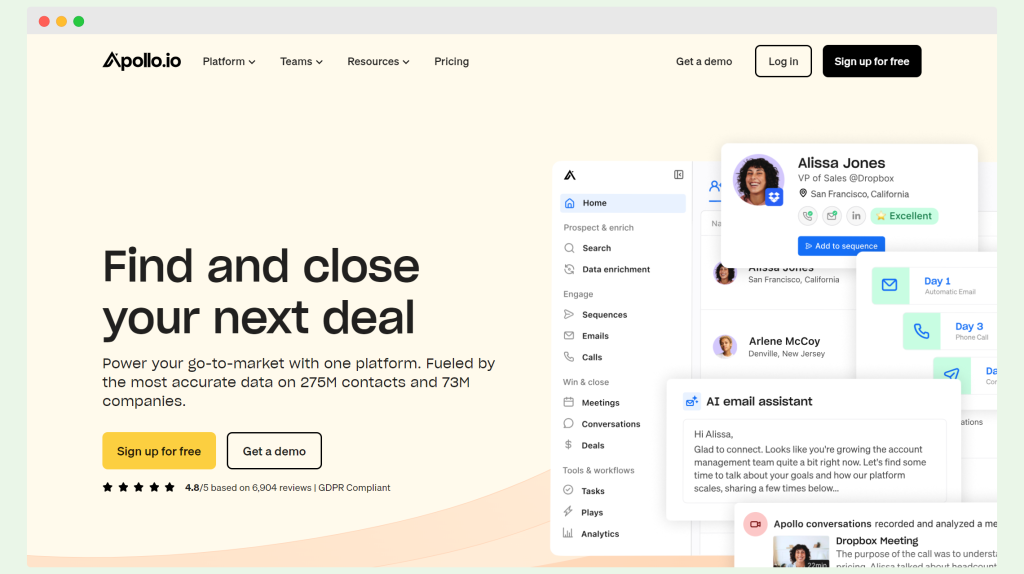
As sales and marketing work shifting online, the requirement for appropriate tools is increasing. Today we can generate revenue using various online channels as most of the business’s audience is shifted online, so you must have robust tools in order to streamline your whole Apollo work and let you achieve your targeted goals. So, today let’s discuss one powerful sales engagement and automation platform developed to assist various businesses find, engage, and close more deals.

Apollo Homepage

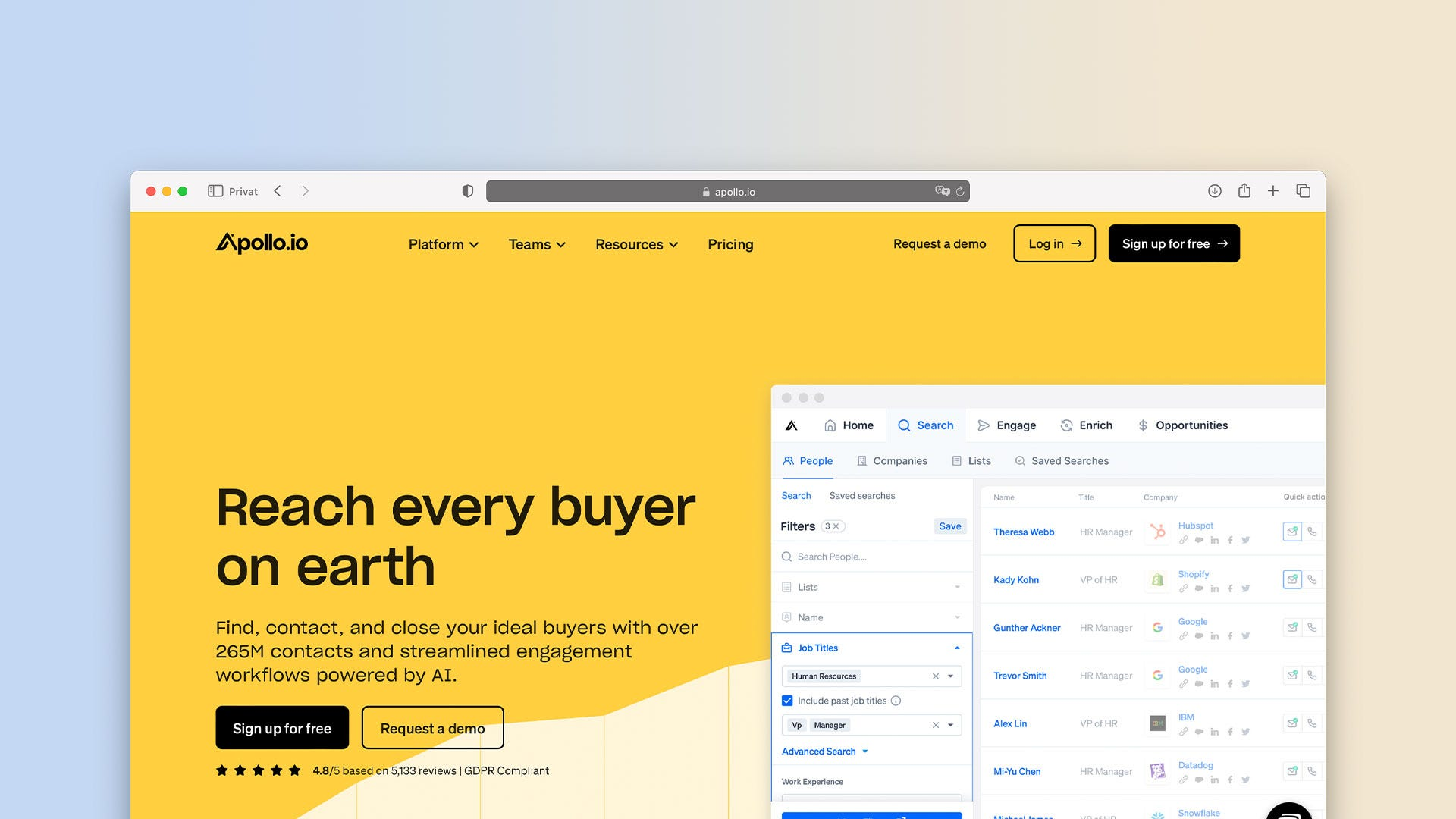
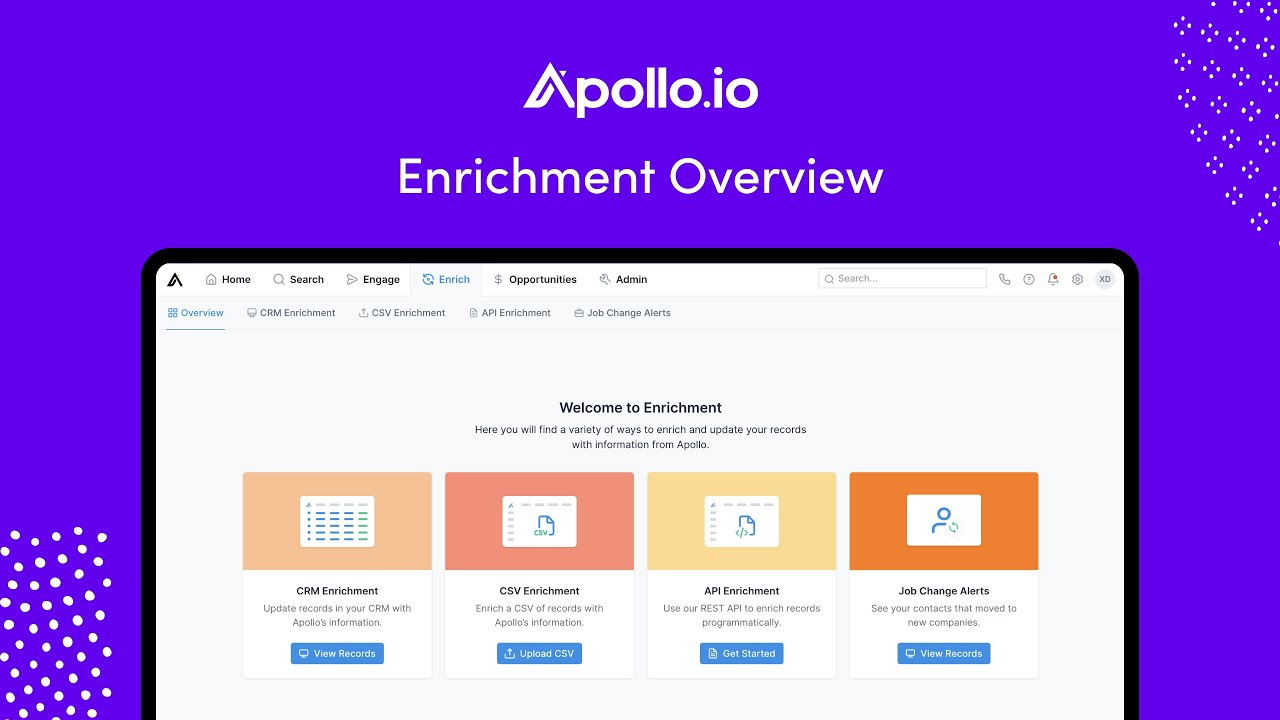
The platform is Apollo.io.  It is a cloud-based sales automation tool that works as a lead generation, contact database management, and email outreach platform. It helps in implementing, analyzing, and refining growth strategies by verifying contact details. The platform is ideal for its users as it gives various advantages such as automation of various tasks such as emails, sequence touchpoints, logging, transcribing, and recording, and features call dialing, supports CRM integration, team management, performance analytics, and real-time data for potential leads.

Apollo’s Features: –

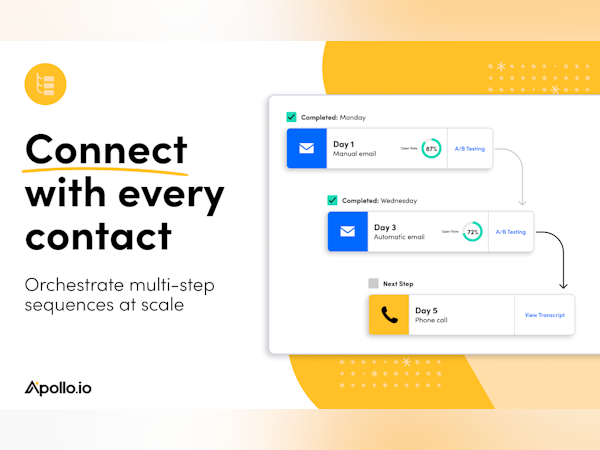
Apollo offers a robust suite of features to enhance your business’s sales capabilities. Sales Intelligence: – It provides a great helping hand with accurate prospect data to identify and prioritize the highest quality leads. It provides a contact database consisting of 275 million+ contacts so that you can easily reach out to potential prospects with verified information. You can also buy an email list to gather contact details like email ID and contact numbers. You can easily target leads that match your specific criteria with advanced search filters. With this feature, you can easily find a group of ideal customers. The platform identifies prospects who are looking for your solutions, so it gives a more personalized approach, as you can design messages as per the intent of the prospects. Sales Engagement: – To streamline the process of connecting with prospects, using various tools such as Customizable Sequences: – you can easily create and automate multi-step sequences of emails, calls, and more, which gives a personalization effect at a great scale. You can easily send hyper-target content by automating repetitive tasks. It also supports various channels, so you handle all inquiries of various channels such as email, LinkedIn, phone calls, and more on one dashboard. It also provides an AI writing assistant which increases the likelihood of engagement and conversion rates. 

Features offered by Apollo

Workflows & Automation: – To boost productivity, it enables you to automate repetitive tasks, so that you focus on selling rather than administrative tasks. Go with simple automation such as lead scoring, and follow-ups as over-automation decreases the level of personalization, but Mindful implementation and automation boost productivity. Analytics & Tracking: The platform provides various reports and dashboards compromising of various data and insights to pick out the room for improvement and optimization. Data-driven selling can be strengthened with strong analytics, as focusing on KPIs and aligning them with target goals is a crucial component. APIs and Integrations: – The platform provides valuable integrations with other platforms, as you can easily integrate with CRM software which allows you to collaborate and track integrations. Therefore your sales record remains updated in all systems as it reduces the likelihood of duplicacy. For particular business needs it provides advanced custom integrations as it offers developer APIs. Technical expertise for setup and maintenance are key components of these integrations.

Plans offered by Apollo

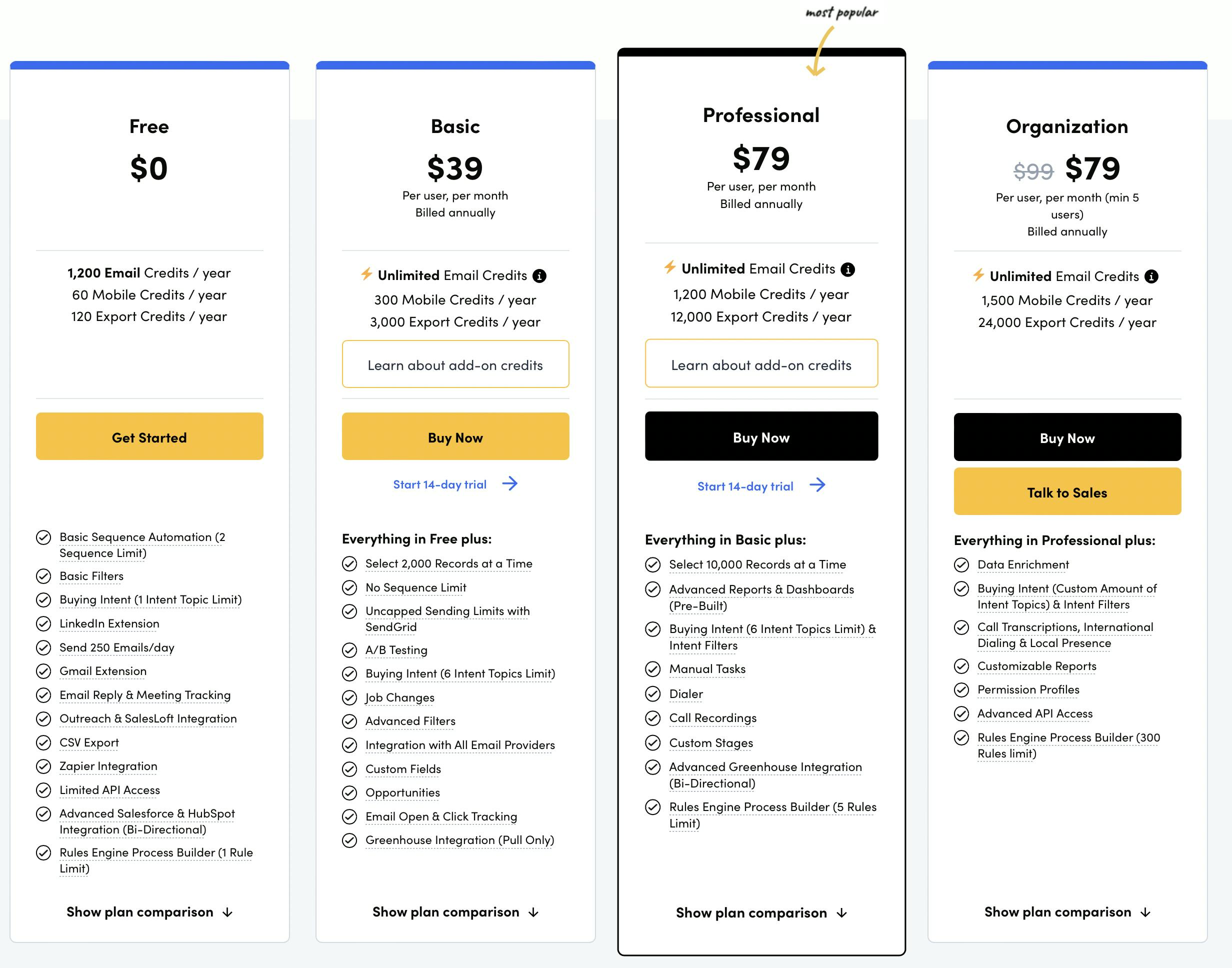
Plans offered by Apollo:

So, if we talk about the plans offered by Apollo, then mainly there are four plans. Free, Basic, Professional, and Organization. Billing of paid plans has two options one is annual billing and the other one is monthly billing. In all four plans, you will get email, mobile, and credits on a yearly basis, but the quantity of the credits is different in every plan. Free Plan offers various ground-level benefits such as sequence automation, basic filters, AI assistant, limited API access, tracking of website visitors, and more. The Basic plan offers more advanced features in addition to free plan features such as advanced filters, outreach, SalesLoft integration, email open and click tracking, data enrichment, buying intent filters, and more. The professional plan is one more step ahead of the Basic plan, as it offers every feature of the Basic plan but with the addition of more features such as uncapped sending limit and sequence limit, advanced report and dashboards, task managers, dialers, call recording, permission profiles and more. Organization Plan is the more advanced plan as it includes all the benefits of a Professional plan and other benefits such as advanced security configurations, advanced API access, customized reports, AI assistant with extra benefits, and more.

Pros of Apollo

Pros of using Apollo

Let’s discuss some advantages of Apollo if you use it to boost your business’s sales. It has a vast database of verified contact details, so you will get access to 275+ million contacts. It provides advanced search filters that help to target leads precisely. It has strong automation capabilities so you can automate various tasks such as email sequences, so that you can remain more focused on selling. It also supports various channels, so can easily handle various inquiries of various channels like emails, calls, and LinkedIn on one dashboard. For a complete record of sales performance, it offers detailed analytics so you can easily track and optimize the campaigns. It also can easily integrate with various CRMs for workflow efficiency. Affordable and flexible pricing plans work like the cherry on the cake.

Apollo

Conclusion

So while concluding up, we can say that Apollo is a robust sales automation platform, to increases sales productivity as it helps to automate monotonous tasks and be more focused on selling strategies. It becomes a great asset for the sales team as it offers a great contact database, advanced search filters, and strong automation features.