
AI Tools to Boost Social Media Presence

It is imperative to have a strong social media presence in the modern digital environment. Whether you are a small company owner, influencer, or brand, social media is one of the best ways to engage your audience. However, it can be quite difficult to stay on top of statistics, engagement, and content production. AI can help with it.

AI-powered solutions can improve your overall strategy, boost creativity, and automate chores. Let’s look at some of the top AI technologies available to help you improve your social media presence.

1. Use AI for Content Creation (e.g., ChatGPT, Jasper AI)

One of the most difficult things about social media marketing is constantly coming up with new, interesting content. ChatGPT and Jasper AI are two AI technologies that assist with content generation, including captions, tweets, Instagram posts, and even blog summaries. You can preserve your brand voice and save hours of writing and brainstorming time by using these tools, which may emulate your tone and writing style. You can even request that they rework or adapt already-existing material for various channels, such as converting a blog into a tweet thread or Instagram carousel.

Use AI for Content Creation (e.g., ChatGPT, Jasper AI)

2. Design Eye-Catching Visuals with AI (e.g., Canva AI, Adobe Express)

One of the most difficult things about social media marketing is constantly coming up with new, interesting content. ChatGPT and Jasper AI are two AI technologies that assist with content generation, including captions, tweets, Instagram posts, and even blog summaries. You can preserve your brand voice and save hours of writing and brainstorming time by using these tools, which may emulate your tone and writing style. You can even request that they rework or adapt already-existing material for various channels, such as converting a blog into a tweet thread or Instagram carousel.

Design Eye-Catching Visuals with AI (e.g., Canva AI, Adobe Express)

3. Schedule and Automate Posts with Smart AI Tools (e.g., Hootsuite OwlyWriter, Buffer)

It is inefficient to post information by hand every day. Artificial intelligence (AI) assistants, such as OwlyWriter, are now integrated into tools like Hootsuite and Buffer. These tools may help you not only plan posts ahead of time but also come up with content ideas, write captions, and suggest the best times to post based on audience engagement. Reach and engagement gradually increase with regular, well-optimized posting.
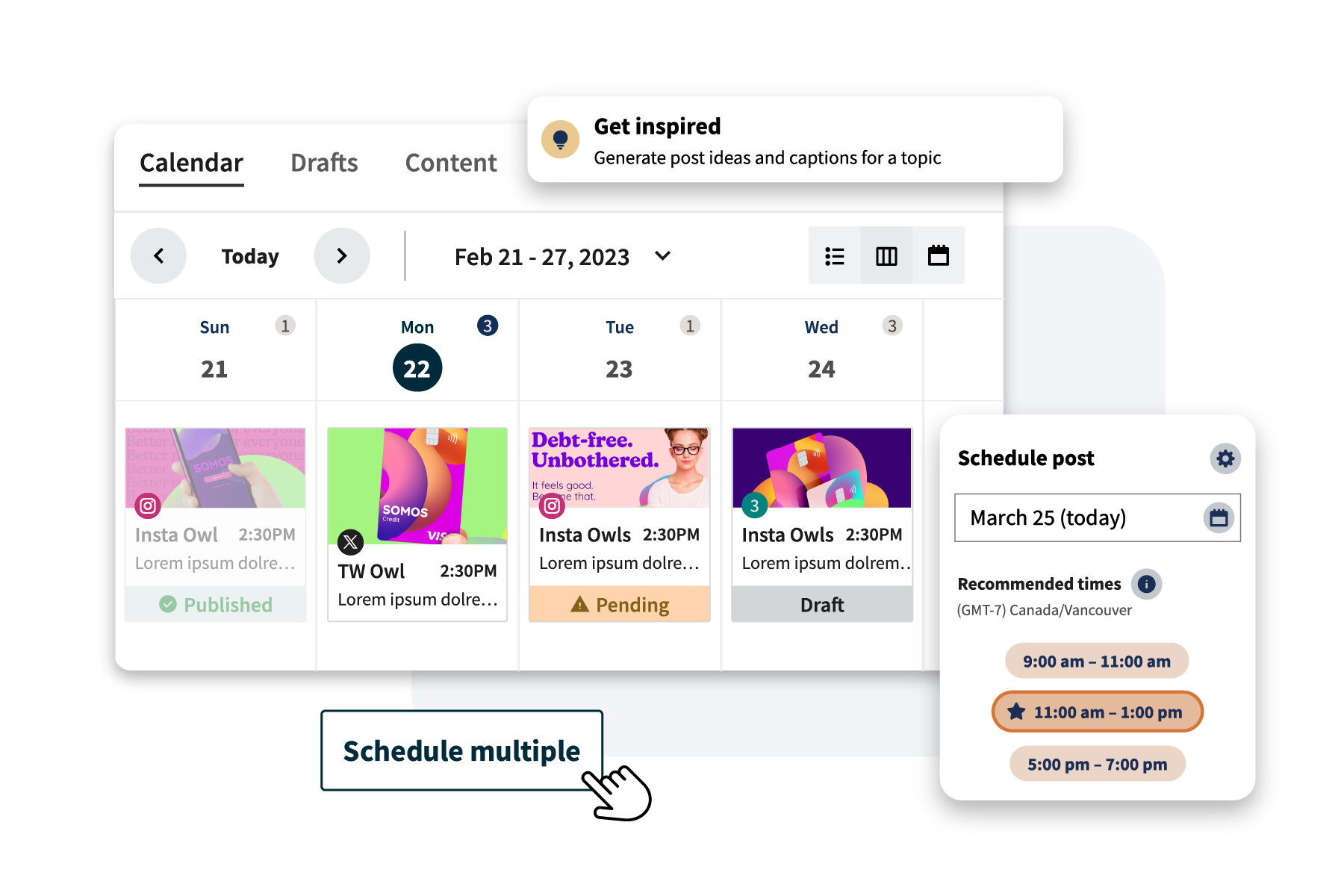
Schedule and Automate Posts with Smart AI Tools (e.g., Hootsuite OwlyWriter, Buffer)

4. Turn Long-Form Content into Social Snippets (e.g., LatelyAI, Pictory)

Do you have a video, podcast, or blog? Long-form content is automatically transformed into several social media posts by tools like LatelyAI and Pictory. For instance, the AI may create shareable text and video snippets for LinkedIn, Instagram, or Twitter by extracting important lines or highlights from a podcast episode that you provide. This repurposing technique guarantees that your quality information is seen by more people in a variety of formats while also saving time.
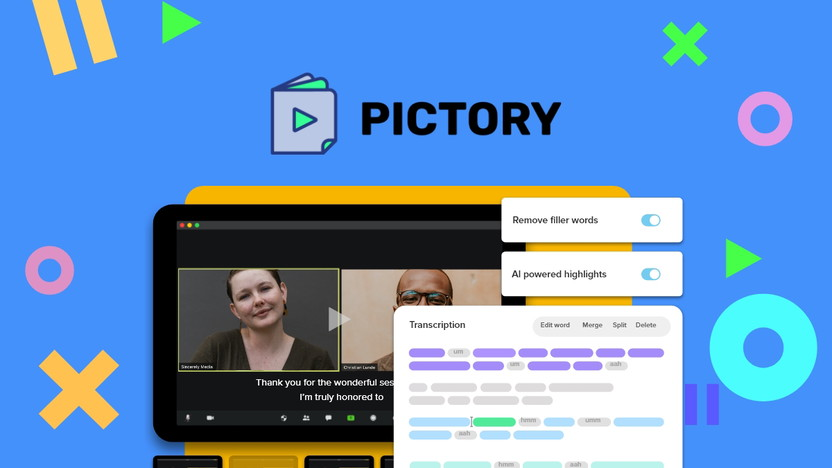
Turn Long-Form Content into Social Snippets (e.g., LatelyAI, Pictory)

5. Monitor Your Brand with AI-Powered Social Listening (e.g., Brand24, Sprout Social)

It’s important to consider how consumers interact with your brand in addition to what you share. Brand24 and other AI-powered social listening solutions search for mentions of your brand, goods, rivals, or keywords. They give you information about the mood of your audience, popular subjects, and the places where your brand is being spoken about. This makes it easier for you to strike up discussions, react fast to criticism, and modify your plan in light of current information.

Monitor Your Brand with AI-Powered Social Listening (e.g., Brand24, Sprout Social)

Conclusion:

Marketers are being empowered by AI, not replaced. These tools are like having a smart assistant by your side, helping you with everything from creating content and images to maximizing interaction and timing. You can improve engagement, post more intelligently, and develop more quickly by incorporating AI into your social media strategy.

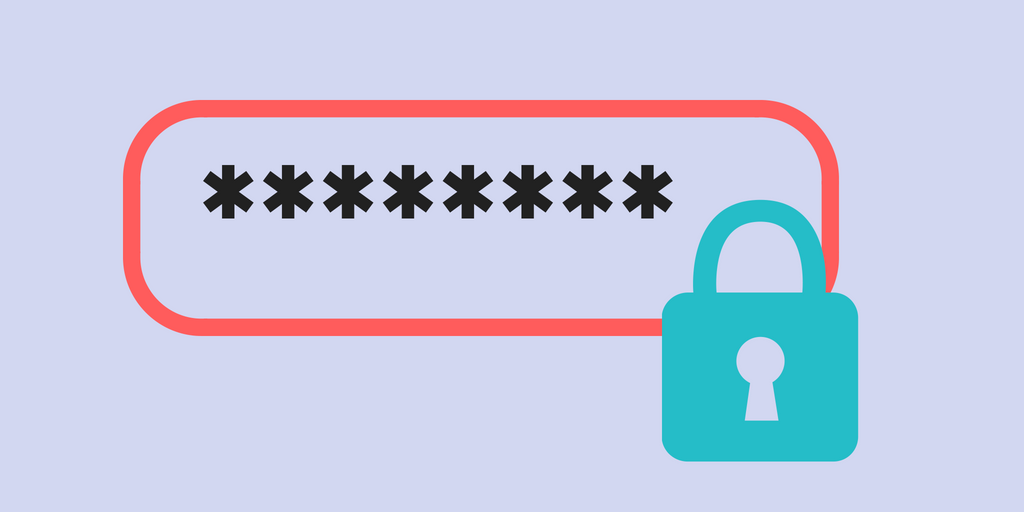
Step-by-Step Guide to Securing Your Digital Life

Step-by-Step Guide to Securing Your Digital Life

Convenience is a benefit of living in the digital age, but there are also significant disadvantages. The risks, which include identity theft and compromised accounts, are real but avoidable. One wise step at a time, this comprehensive guide will teach you how to protect your digital life.

1. Create Strong, Unique Passwords

Making sure each account has a strong and distinct password is the first and simplest step. Don’t use obvious options like “123456” or the name of your pet. Rather, use lengthy sentences or strings of capital and lowercase letters, numerals, and symbols. It’s risky to use the same password on several sites since if one account is compromised, others will be as well. To avoid having to commit all of your strong passwords to memory, use a password manager to generate and store them.

Create Strong, Unique Passwords

2. Turn on Two-Factor Authentication (2FA)

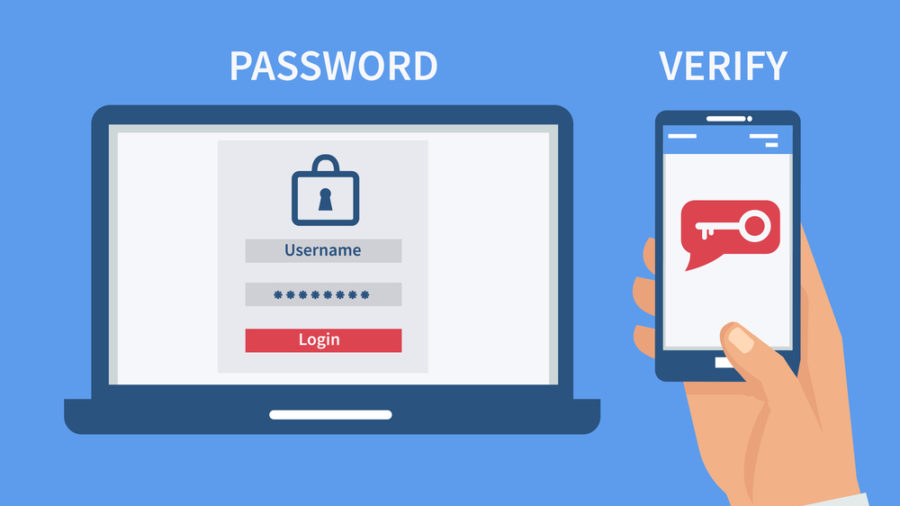
2FA provides an additional degree of security. You will be prompted to confirm your identity once more after entering your password, typically through an email, text message, or authentication software like Authy or Google Authenticator. Without this second factor, someone cannot log in, even if they figure out your password. Always have 2FA enabled on important accounts, such as financial apps, PayPal, Facebook, and Gmail.

Turn on Two-Factor Authentication (2FA)

3. Keep Your Software Updated

Updates that fix security flaws are frequently applied to your devices and apps. You’re opening the door for hackers if you ignore these upgrades. Turn on automatic updates for your online browsers, antivirus program, and operating system (such as Windows or macOS). Don’t make it simple for cybercriminals, who frequently take advantage of obsolete software.

Keep Your Software Updated

4. Use Public Wi-Fi Cautiously

Although it may be handy, using public Wi-Fi in places like malls, airports, and cafés is dangerous. On an unprotected network, hackers can readily intercept your data. Never use public Wi-Fi to access private accounts, such as business emails or online banking. If you have to, encrypt your connection and shield your data from prying eyes by using a virtual private network, or VPN.

Use Public Wi-Fi Cautiously

5. Secure Your Devices

You have a lot of private information on your laptop and smartphone. Use a strong password, PIN, or biometric lock (such as facial recognition or fingerprint) to secure them. Additionally, turn on “Find My Device” or comparable tools that allow you to remotely delete or track your device if it is lost or stolen. A thief can’t access anything on your device if you take this little precaution.

Secure Your Devices

6. Beware of Phishing Scams

Phishing is the practice of attackers impersonating trustworthy businesses to fool you into disclosing personal information. These messages frequently push you to click a link or download a file and create a sense of urgency (such as saying your account is locked). Hover your cursor over links to preview URLs, always double-check the sender, and never trust emails or texts that seem fishy. Visit the official website directly if you’re unsure.

Beware of Phishing Scams

7. Back Up Your Data Regularly

Despite every precaution, mishaps or cyberattacks may still occur. You can prevent the loss of crucial data in the event of a device crash or ransomware infection by regularly backing up your important files. For backups, use an external hard drive or cloud storage (such as Dropbox, iCloud, or Google Drive) and make sure they are up to date.

Back Up Your Data Regularly

8. Stay Informed and Vigilant

Cybersecurity is a continuous process. Keep yourself informed since threats are always changing. Use apps that notify you of recent breaches, sign up for security newsletters, or read tech blogs. The more informed you are, the better choices you can make for your online safety.

Stay Informed and Vigilant

Final Thoughts

It only takes a little work and perseverance to secure your digital life; you don’t need to be a technology expert. By taking these precautions, you’ll strengthen your defenses against the majority of cyberattacks and protect your online environment.

How to Generate Videos with Veed: A Simple Guide for Beginners

Veed.io

Making movies of a high caliber doesn’t have to be difficult or time-consuming. Anyone, from marketers to content producers, can create engaging and conversion-boosting films with Veed’s user-friendly online video editing platform. Veed streamlines and eases the process of creating tutorial videos, promo reels, and social media material. Here is a basic, step-by-step guide to get you going.

Step 1: Sign Up and Start a New Project

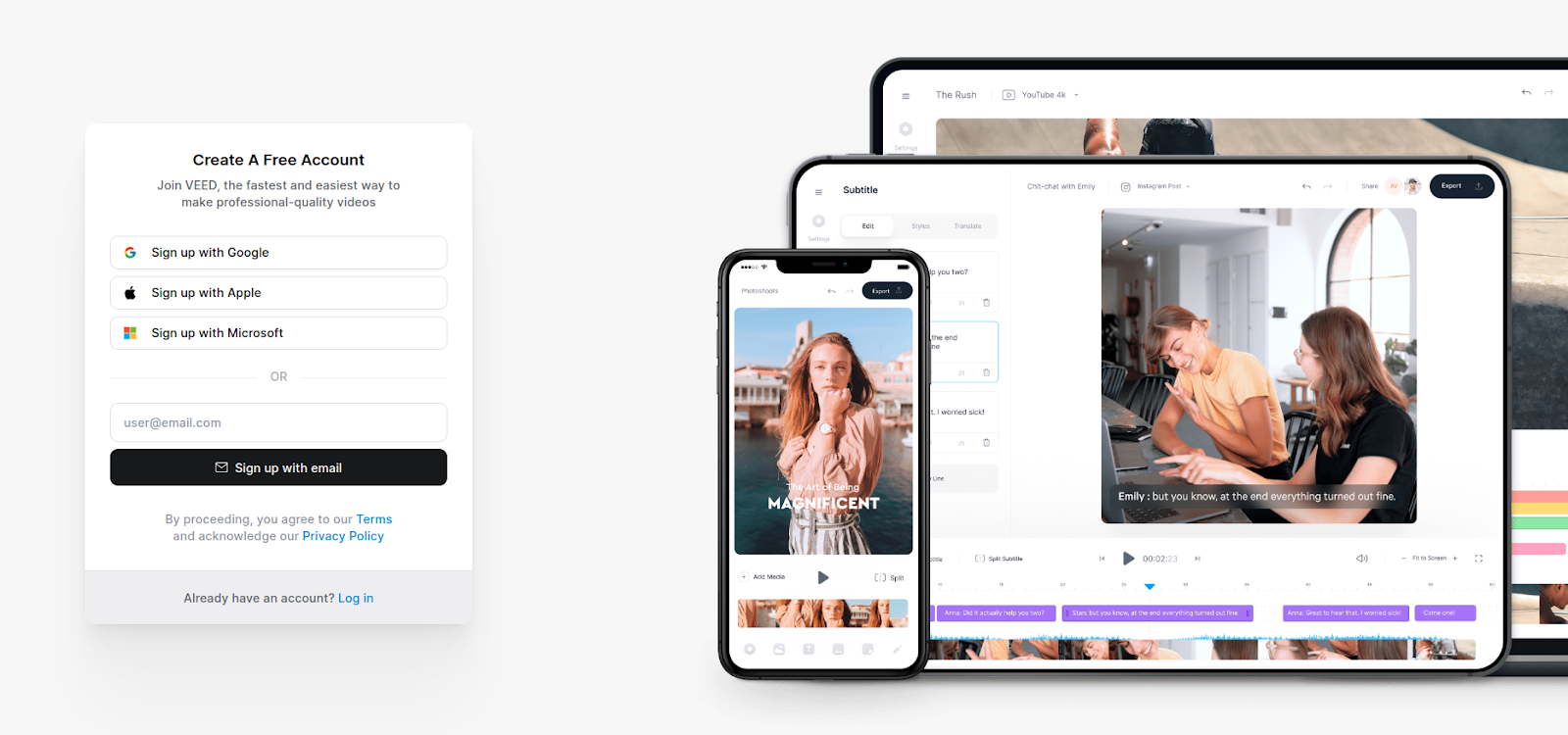
Go to Veed.io and create a free account to get started. Click the “New Project” option after logging in. You have the option of starting from scratch or using one of Veed’s pre-made templates, which are excellent for gaining ideas and saving time.

Signup and start with Veed

Step 2: Upload or Record Your Video

Direct uploading of media files from your device or cloud storage is possible. Among the many formats that Veed supports are MP4, MOV, AVI, and others. If you don’t have any footage yet, you can record your video right away with Veed’s webcam and screen recording features. This is particularly helpful for reaction videos, walkthroughs, and tutorials.

Step 3: Customize and Edit

Once your footage is uploaded, the real magic begins. Veed’s user-friendly timeline editor allows you to:

  • Trim, cut, and split clips
  • Add subtitles (manually or using AI-powered auto-subtitling)
  • Insert text, images, logos, and emojis
  • Choose from music tracks or upload your audio
  • Apply filters, transitions, and effects

Technical expertise is not required to organize elements thanks to the drag-and-drop feature. Additionally, you may change the size of your videos to fit other networks, such as LinkedIn, YouTube, Instagram, and TikTok.

Step 4: Use AI Tools for Fast Video Creation

Video production can be accelerated with Veed’s AI-powered tools. For instance, you can utilize the text-to-speech function to add voiceovers in various languages and dialects, or the AI script generator to create an engaging script. These tools are excellent for turning text-based content, such as blog articles or newsletters, into videos or for repurposing content.

Step 5: Export and Share

Click “Export” to finish processing your video once it appears perfect. Depending on your preferences, you can select from a variety of resolutions, including HD and Full HD. Once the video has been exported, you have the option to download it, share it using a link, or post it straight to social media from the Veed dashboard.

Final Thoughts

Regardless of editing experience, Veed enables anyone to create videos. It’s the ideal tool for companies, schools, and artists wishing to create a powerful visual effect because of its easy-to-use interface, AI features, and versatile export possibilities. Why wait, then? Start making videos that communicate your narrative the way you want it to be told by going to Veed.io.