2025’s Top Free Graphic Design Resources

Top Free Graphic Design Resources

In 2025, creating visually striking graphics doesn’t require a large budget or a Creative Cloud subscription. There are many effective free tools available that will assist you in producing work of expert caliber without spending a single penny, regardless of whether you are a freelancer, small business owner, or just starting in design.

The top free graphic design resources for this year are as follows:

1. Canva

Let’s begin with the most popular. One of the easiest-to-use design tools available is Canva. It’s ideal for social media posts, posters, presentations, and even resumes because it has thousands of free themes, stock photos, and drag-and-drop capabilities.

Ideal for: Novices, advertisers, and social media posts

Bonus: Canva is now even more effective with AI-powered tools like Magic Write and Magic Resize.

Canva

2. The photopea

Photopea is the solution if you’ve ever desired a free browser-based version of Photoshop. It works in your web browser and supports PSD files, layers, and sophisticated editing features.

Ideal for: Photoshop-savvy users who want to make fast modifications while on the road

No downloads are required: It supports the majority of common picture formats and operates fully online.
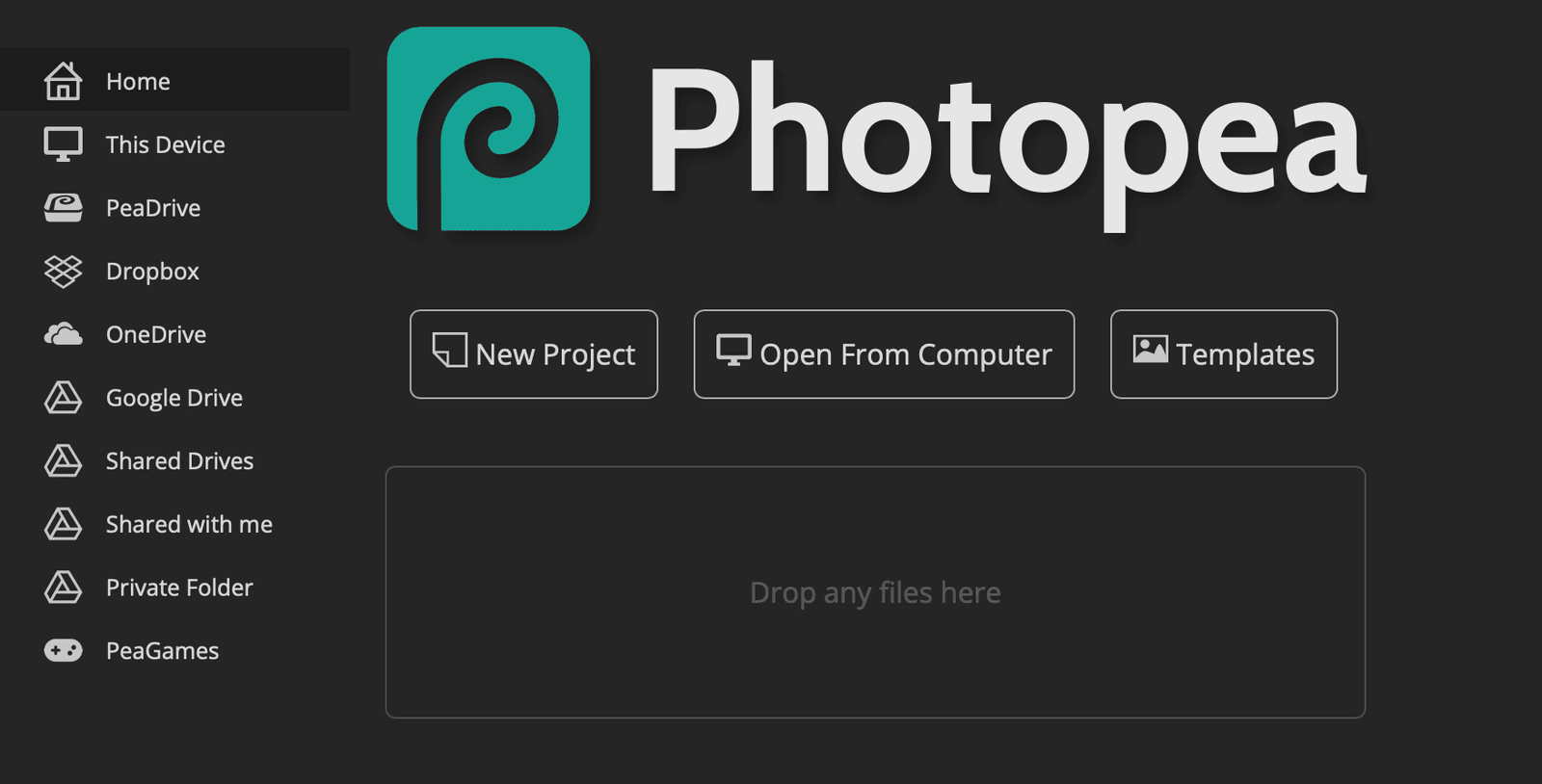
The photopea

3. Krita

For illustrators and digital artists, Krita is a paradise. In addition to capabilities like brush stabilizers, layer management, and animation support, this open-source application has a professional-caliber UI.

Ideal for: Digital painters, comic book artists, and illustrators

Platform: Linux, macOS, and Windows
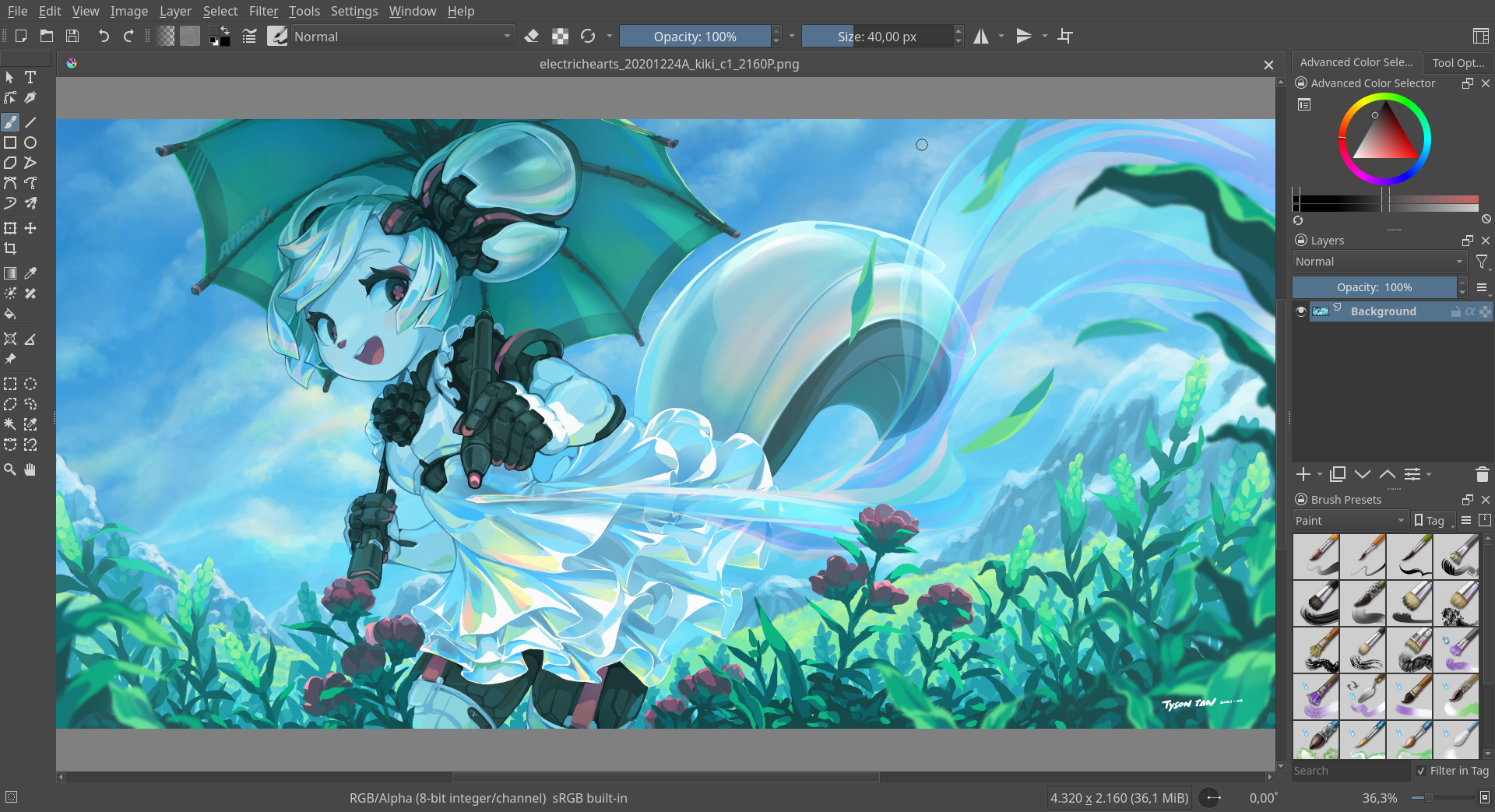
Krita

4. The Vectr

Do you need to create vector drawings, such as icons or logos? You may generate scalable and tidy visuals with Vectr, a free and user-friendly application that doesn’t require a lot of experience.

Ideal for: Simple vector graphics, icons, and logo design

Download it or use it online: There are two choices.
The Vectr

5. Designer of Gravit

For vector design, Gravit Designer provides a good feature set and a slick interface. Cloud storage, numerous artboards, and basic editing capabilities are all supported in the free version.

Ideal for: marketing collateral, icons, and UI/UX mockups

Desktop and web-based: Compatible with all major platforms

6. Free Plan for Figma

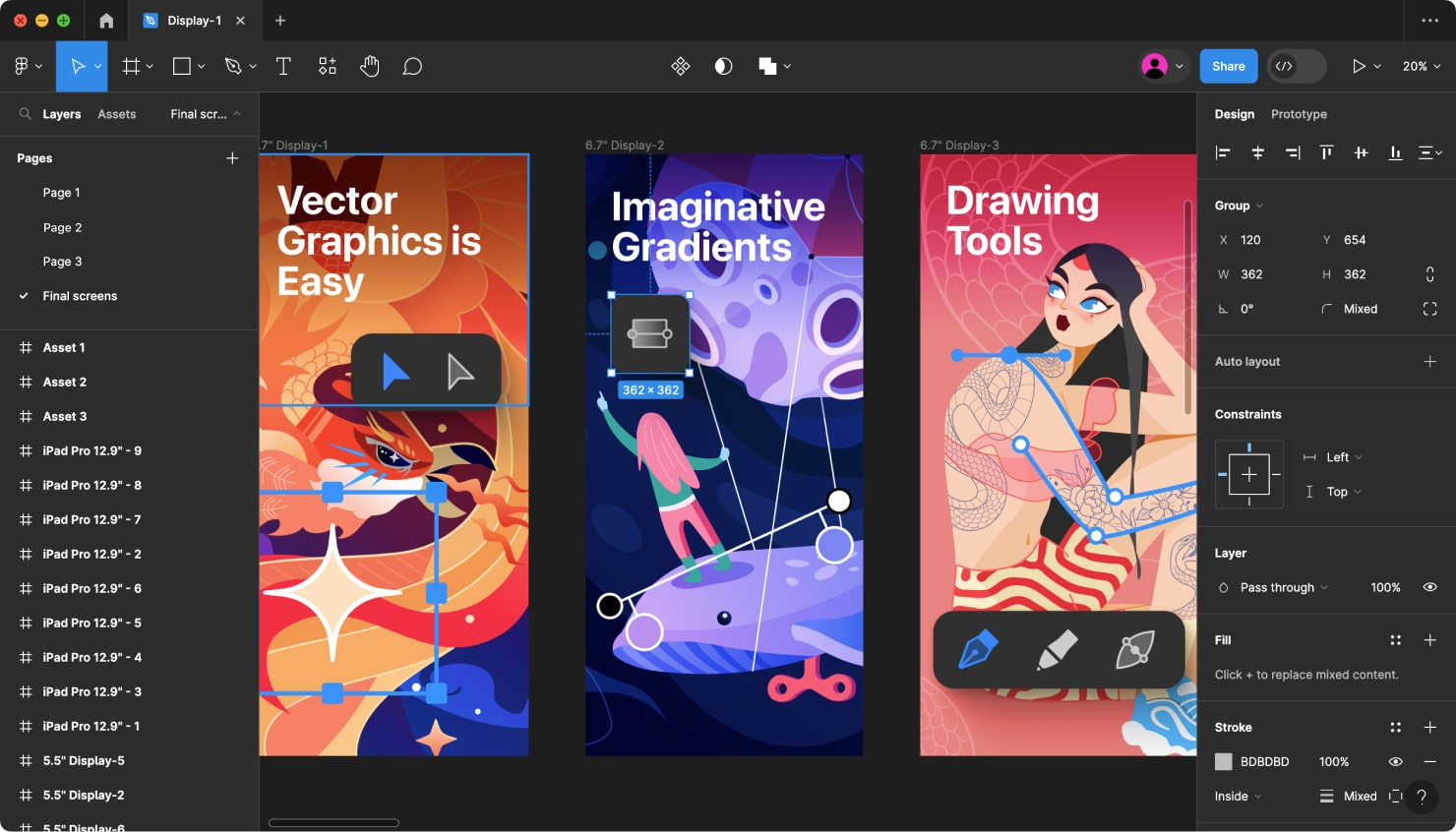
Figma’s collaborative design elements are well-known. You receive strong tools for interface design, prototyping, and teamwork even with the free plan.

Ideal for: collaborative projects, web developers, and UI/UX designers

Collaboration in real time: Ideal for group projects and distant teams.
Free Plan for Figma

Concluding remarks

Amazing designs can be made without a costly subscription. These free apps provide something for everyone, whether you’re creating a social media campaign, retouching images, or digitally sketching.

Pro Tip: To determine which of these tools best suits your workflow, try a few. Since they are free, there is no risk in trying them out, and many of them are resource-light, so they won’t slow down your system.

Do you have a preferred free design tool that we overlooked? Let us know in the comments section below—we’re constantly looking for undiscovered treasures!

Review: CorelDRAW for Beginners – Is It Worth It?

Review: CorelDRAW for Beginners – Is It Worth It?

You have likely heard of CorelDRAW if you’re new to the graphic design field. It’s one of those names that frequently appear next to Photoshop and Adobe Illustrator. However, as a novice, you may question whether CorelDRAW is truly worth studying. Let’s examine it more closely.

What is CorelDRAW?

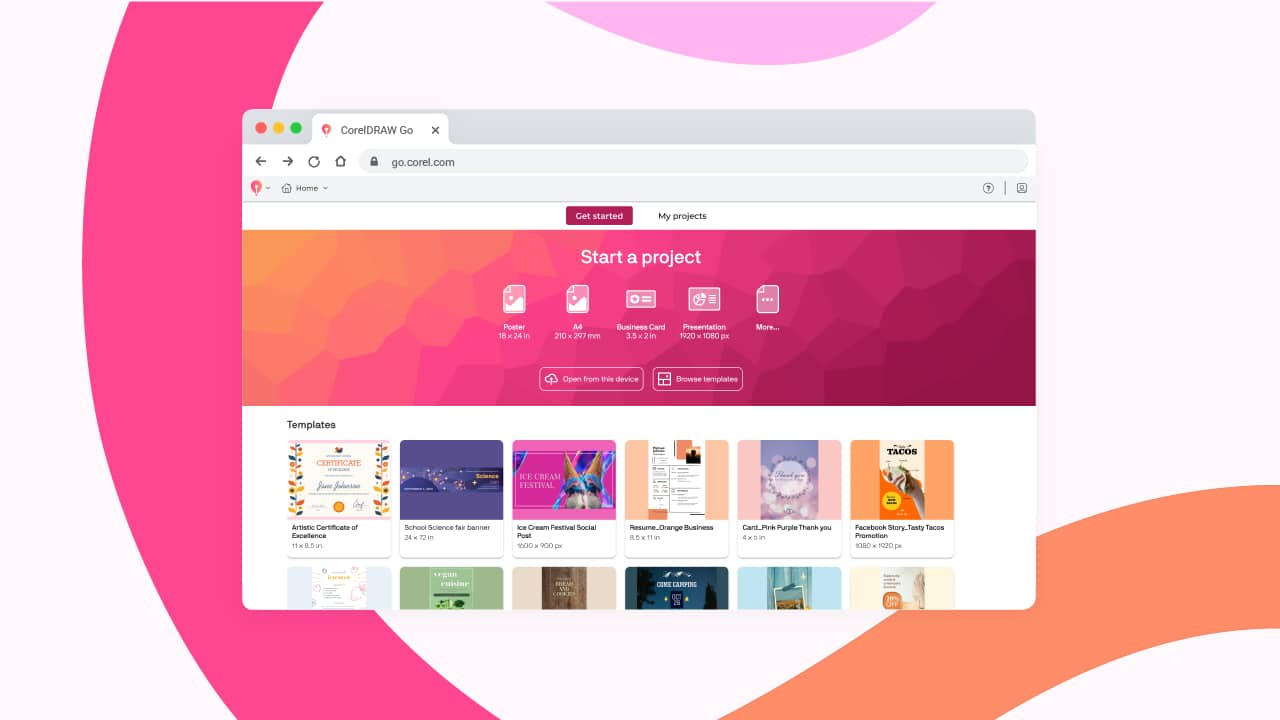
Corel Corporation created the vector graphics editor CorelDRAW. It is renowned for having strong features for professional use while remaining user-friendly for beginners. With the help of CorelDRAW, you may realize your creative visions for logos, flyers, social media graphics, and even product packaging.

What is CorelDRAW?

Ease of Use for Beginners

CorelDRAW’s user-friendly interface is one of its greatest advantages. CorelDRAW displays capabilities in a rational and understandable manner, in contrast to certain graphic design applications that might feel overwhelming right away. For novices who are just starting, there are integrated tutorials, a comprehensive help center, and pointers that appear as you work.

To help you get started, the software also includes a large number of templates, graphics, and fonts. If you’re a hands-on learner, you’ll love how easy it is to jump right into real design work without getting lost.

Ease of Use for Beginners

Key Features That Stand Out

  • User-Friendly Tools: CorelDRAW has intelligent drawing tools that can help novice users by automatically transforming their ideas into ideal shapes.
  • Workspace Customization: Whether you want everything in view or prefer simple toolbars, you may change the arrangement to fit your preferred working style.
  • Broad File Compatibility: CorelDRAW can work with a variety of file formats, which facilitates import/export tasks and teamwork.
  • Cost-effective One-Time payment Option: CorelDRAW offers you the option to make a one-time payment, which may end up being more economical in the long term than Adobe’s subscription-only business model.

Key Features That Stand Out

Any Drawbacks?

Although CorelDRAW is excellent for novices, it has several peculiarities. When working with really large files, some users find it to be a little slow. Additionally, you may eventually need to learn Illustrator if you intend to work in fields like publishing or high-end marketing that rely heavily on Adobe products.

But without the high learning curve, CorelDRAW provides all you need for hobbyists, small company owners, and freelancers.

Final Verdict: Is It Worth It?

Consider CorelDRAW if you’re a novice searching for an easy-to-use, feature-rich design application. It provides a mild learning curve, useful tools, and sufficient flexibility to advance alongside you as your abilities advance. Additionally, purchasing the software directly may end up saving you money in the long run.

In summary, CorelDRAW is a wise and valuable option if you want a solid foundation in graphic design without feeling overpowered right away.

Step-by-Step Guide to Securing Your Digital Life

Step-by-Step Guide to Securing Your Digital Life

Convenience is a benefit of living in the digital age, but there are also significant disadvantages. The risks, which include identity theft and compromised accounts, are real but avoidable. One wise step at a time, this comprehensive guide will teach you how to protect your digital life.

1. Create Strong, Unique Passwords

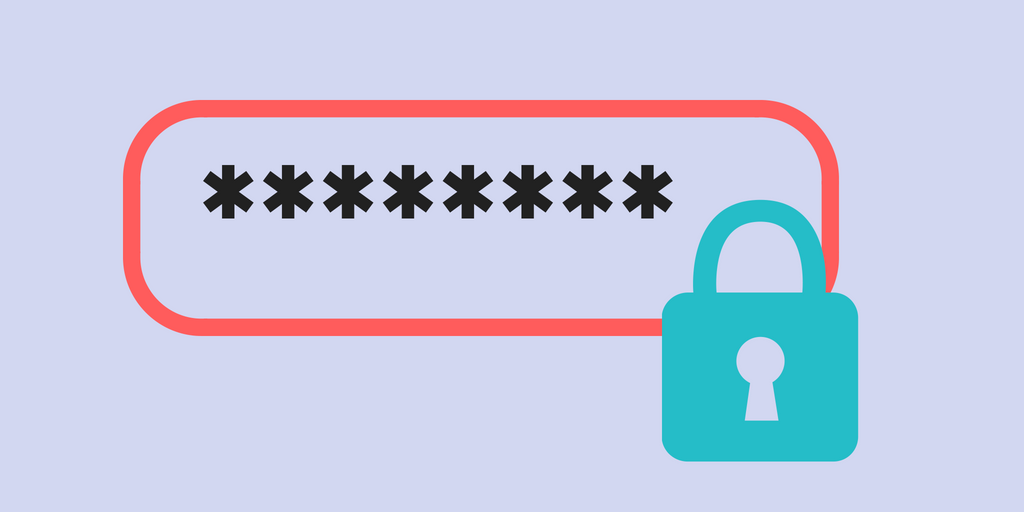
Making sure each account has a strong and distinct password is the first and simplest step. Don’t use obvious options like “123456” or the name of your pet. Rather, use lengthy sentences or strings of capital and lowercase letters, numerals, and symbols. It’s risky to use the same password on several sites since if one account is compromised, others will be as well. To avoid having to commit all of your strong passwords to memory, use a password manager to generate and store them.

Create Strong, Unique Passwords

2. Turn on Two-Factor Authentication (2FA)

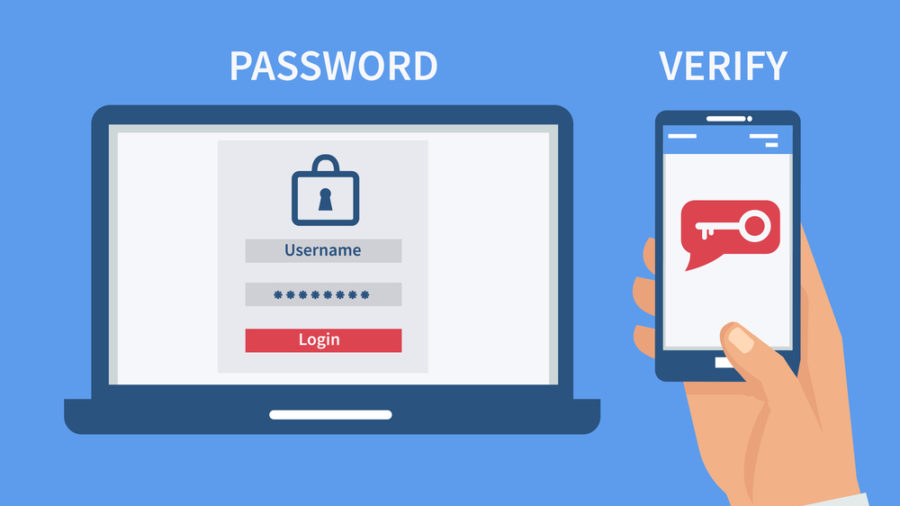
2FA provides an additional degree of security. You will be prompted to confirm your identity once more after entering your password, typically through an email, text message, or authentication software like Authy or Google Authenticator. Without this second factor, someone cannot log in, even if they figure out your password. Always have 2FA enabled on important accounts, such as financial apps, PayPal, Facebook, and Gmail.

Turn on Two-Factor Authentication (2FA)

3. Keep Your Software Updated

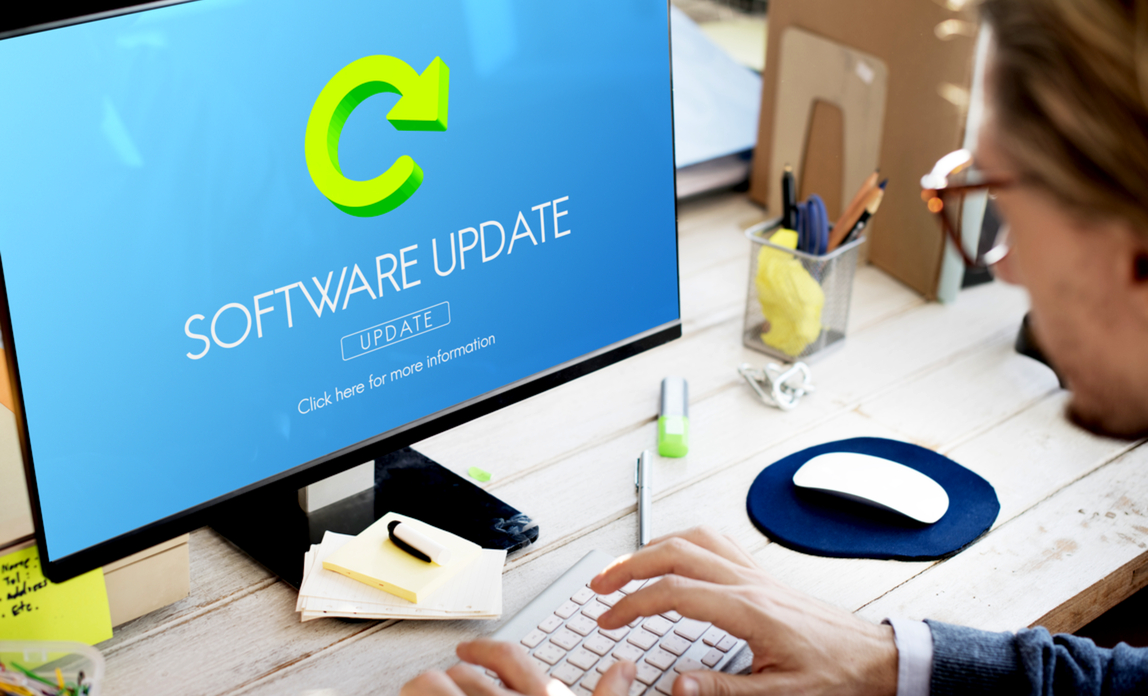
Updates that fix security flaws are frequently applied to your devices and apps. You’re opening the door for hackers if you ignore these upgrades. Turn on automatic updates for your online browsers, antivirus program, and operating system (such as Windows or macOS). Don’t make it simple for cybercriminals, who frequently take advantage of obsolete software.

Keep Your Software Updated

4. Use Public Wi-Fi Cautiously

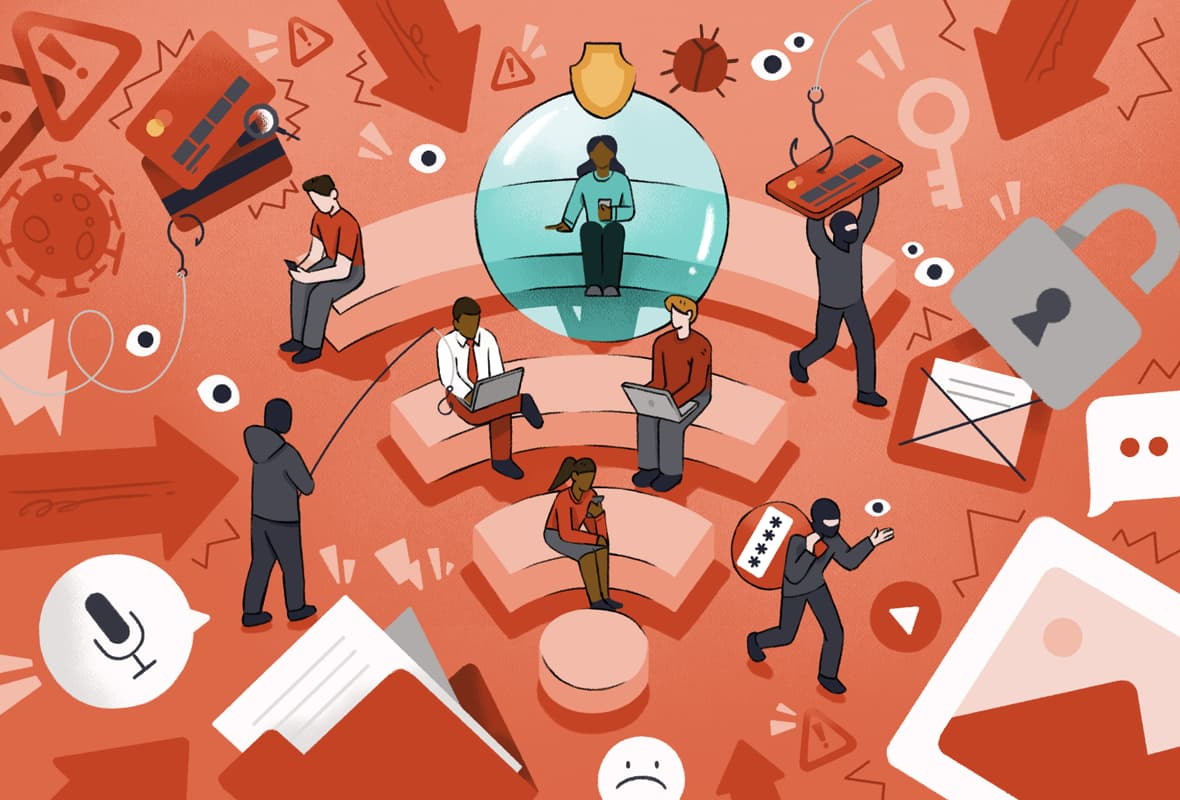
Although it may be handy, using public Wi-Fi in places like malls, airports, and cafés is dangerous. On an unprotected network, hackers can readily intercept your data. Never use public Wi-Fi to access private accounts, such as business emails or online banking. If you have to, encrypt your connection and shield your data from prying eyes by using a virtual private network, or VPN.

Use Public Wi-Fi Cautiously

5. Secure Your Devices

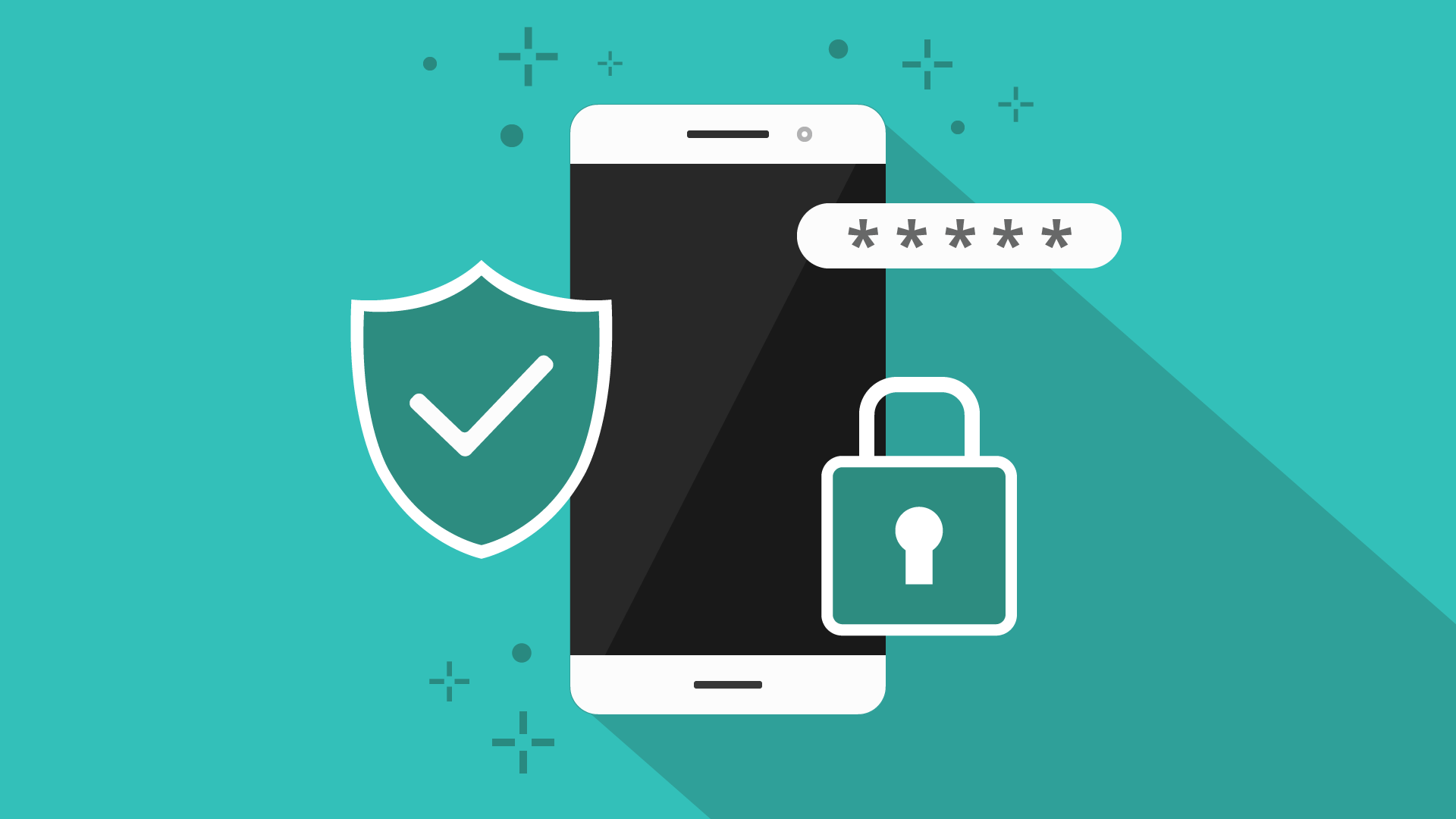
You have a lot of private information on your laptop and smartphone. Use a strong password, PIN, or biometric lock (such as facial recognition or fingerprint) to secure them. Additionally, turn on “Find My Device” or comparable tools that allow you to remotely delete or track your device if it is lost or stolen. A thief can’t access anything on your device if you take this little precaution.

Secure Your Devices

6. Beware of Phishing Scams

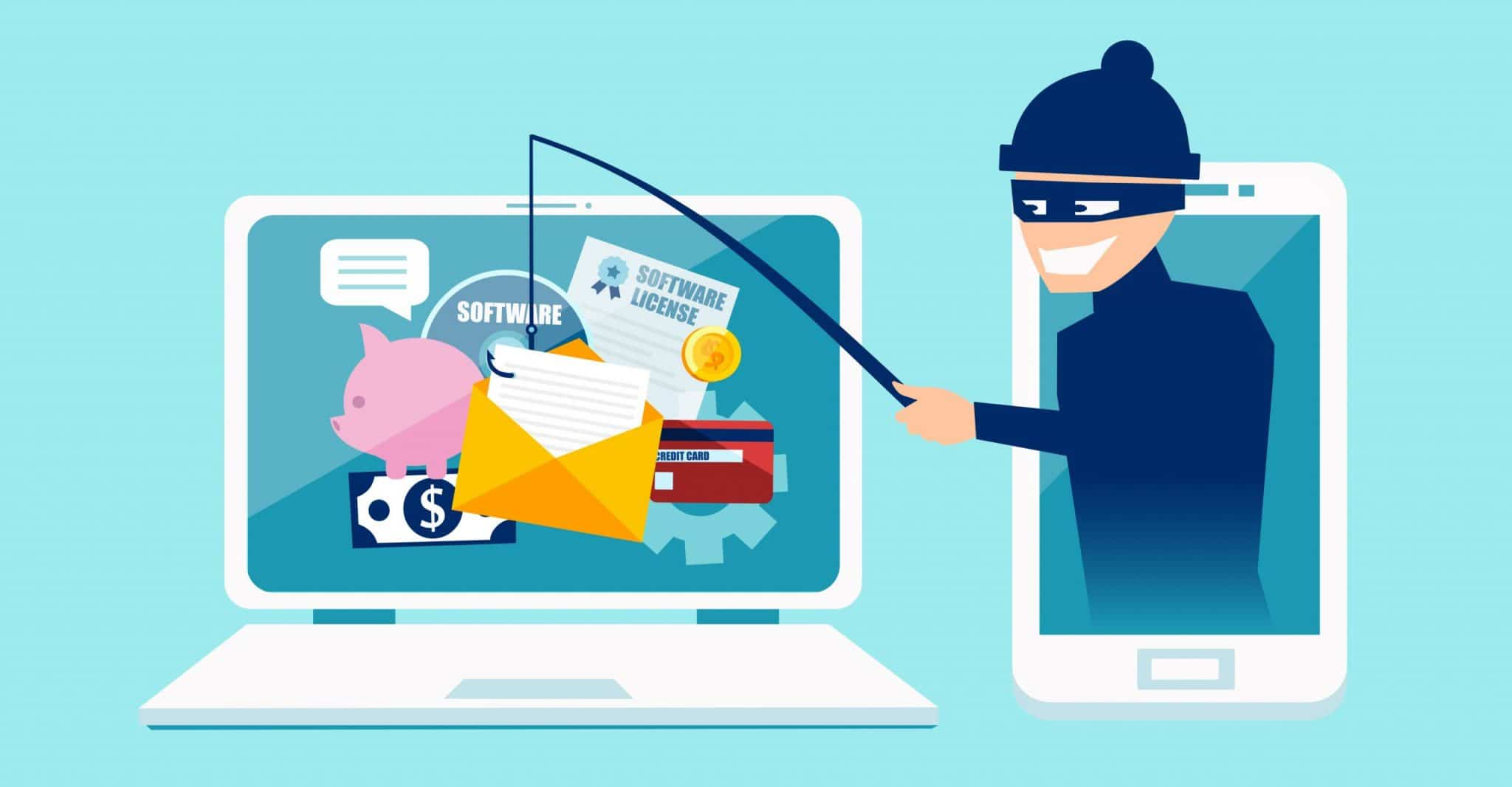
Phishing is the practice of attackers impersonating trustworthy businesses to fool you into disclosing personal information. These messages frequently push you to click a link or download a file and create a sense of urgency (such as saying your account is locked). Hover your cursor over links to preview URLs, always double-check the sender, and never trust emails or texts that seem fishy. Visit the official website directly if you’re unsure.

Beware of Phishing Scams

7. Back Up Your Data Regularly

Despite every precaution, mishaps or cyberattacks may still occur. You can prevent the loss of crucial data in the event of a device crash or ransomware infection by regularly backing up your important files. For backups, use an external hard drive or cloud storage (such as Dropbox, iCloud, or Google Drive) and make sure they are up to date.

Back Up Your Data Regularly

8. Stay Informed and Vigilant

Cybersecurity is a continuous process. Keep yourself informed since threats are always changing. Use apps that notify you of recent breaches, sign up for security newsletters, or read tech blogs. The more informed you are, the better choices you can make for your online safety.

Stay Informed and Vigilant

Final Thoughts

It only takes a little work and perseverance to secure your digital life; you don’t need to be a technology expert. By taking these precautions, you’ll strengthen your defenses against the majority of cyberattacks and protect your online environment.